Hair Porosity Test: How to Check Yours & Pick the Right Products
You follow every label, yet your hair still feels dry, heavy, or frizzy. You try new oils, creams, and conditioners and wait a few weeks. Nothing changes.
Maybe your curls soak up water and lose it by lunch. Or maybe your waves refuse conditioner and feel coated an hour later. Straight, wavy, curly, and coily hair can all hit this wall, and color or heat only makes it worse.
The missing piece is porosity, which describes how easily your hair takes in and holds moisture. A hair porosity test takes only a few minutes at home. It shows you what your strands actually need, so you can stop guessing at the store.
Below, you will learn three simple tests, how to read your result, and how to match oils, conditioners, and styling products to it.
Your Hair Cuticle Controls How Much Moisture Stays Inside
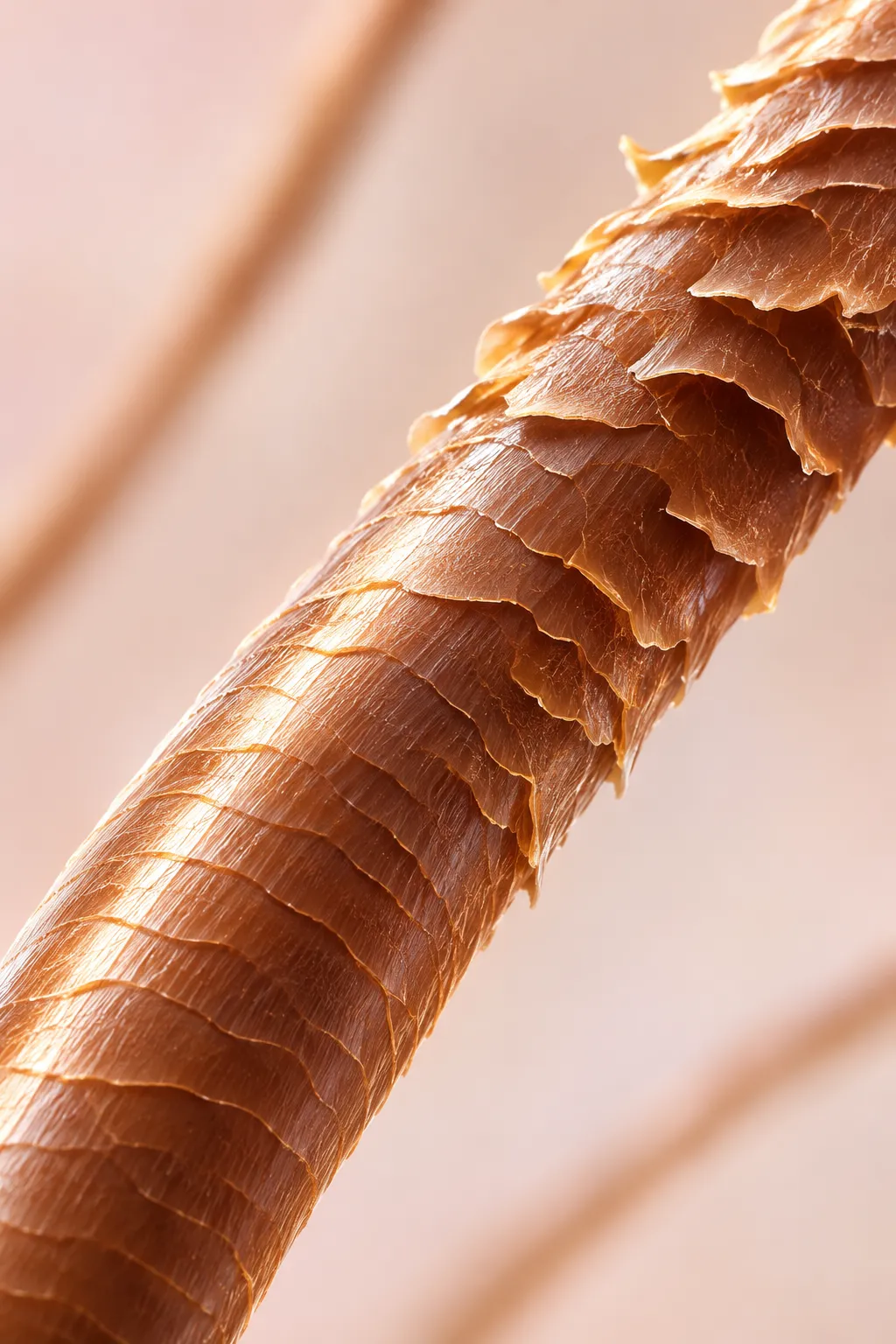
Porosity is the condition of your cuticle, the outer layer of each strand. Picture tiny overlapping scales. When they lie flat, moisture enters slowly. When they lift or leave gaps, moisture rushes in and slips out just as fast.
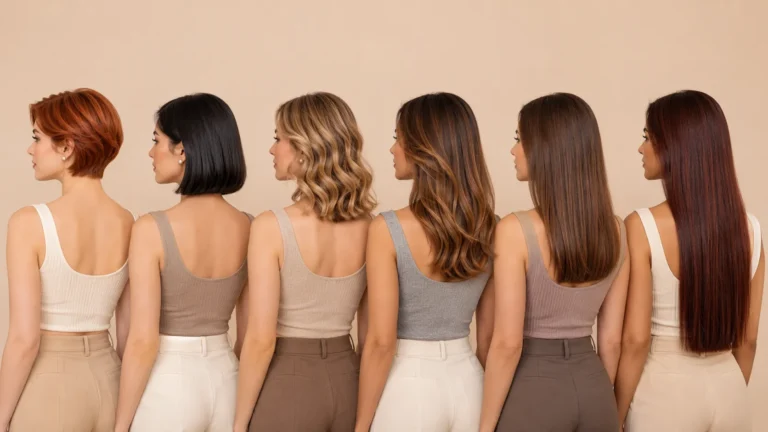
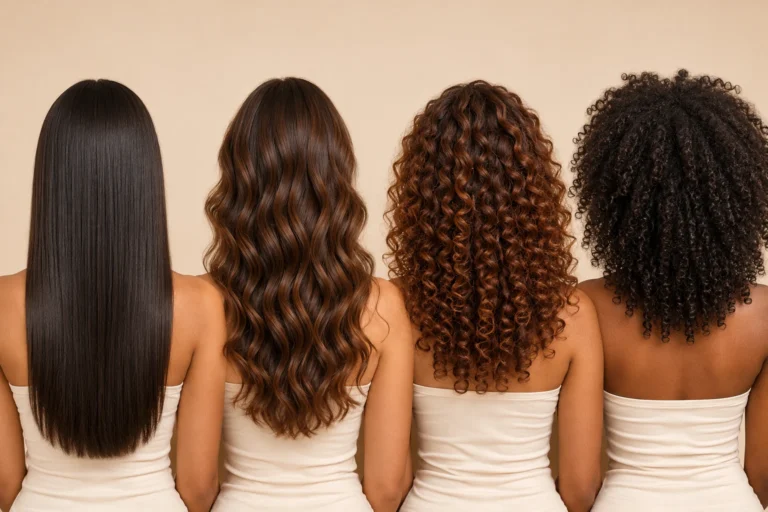
Texture is a separate trait. Fine straight hair can have high porosity. Thick coily hair can have low porosity. Curl pattern, strand thickness, and porosity do not depend on each other.
Genes set your starting point. Heat tools, bleach, color, rough brushing, and sun can raise porosity over time. That is why your ends often behave differently from your roots.
Porosity also shapes how your hair takes color and holds a blowout. Tight cuticles can resist color, while open cuticles may grab it fast and let it fade fast.
Hair falls into three groups. Low porosity has tight, flat cuticles. Medium porosity sits in the balanced middle. High porosity has raised or gapped cuticles.
Healthy hair can sit in any group. The goal is never to change your group. The goal is to work with it.
No group is good or bad. Each one simply needs different care. A rich butter may soften high porosity hair and weigh down low porosity hair. Know your group, and the guessing stops.
Start Your Hair Porosity Test With Clean, Product Free Strands
Product buildup changes how strands behave in water, so test on clean hair. Skip conditioner, oils, and styling products until you finish. Then run at least two tests, because one test alone can mislead you.
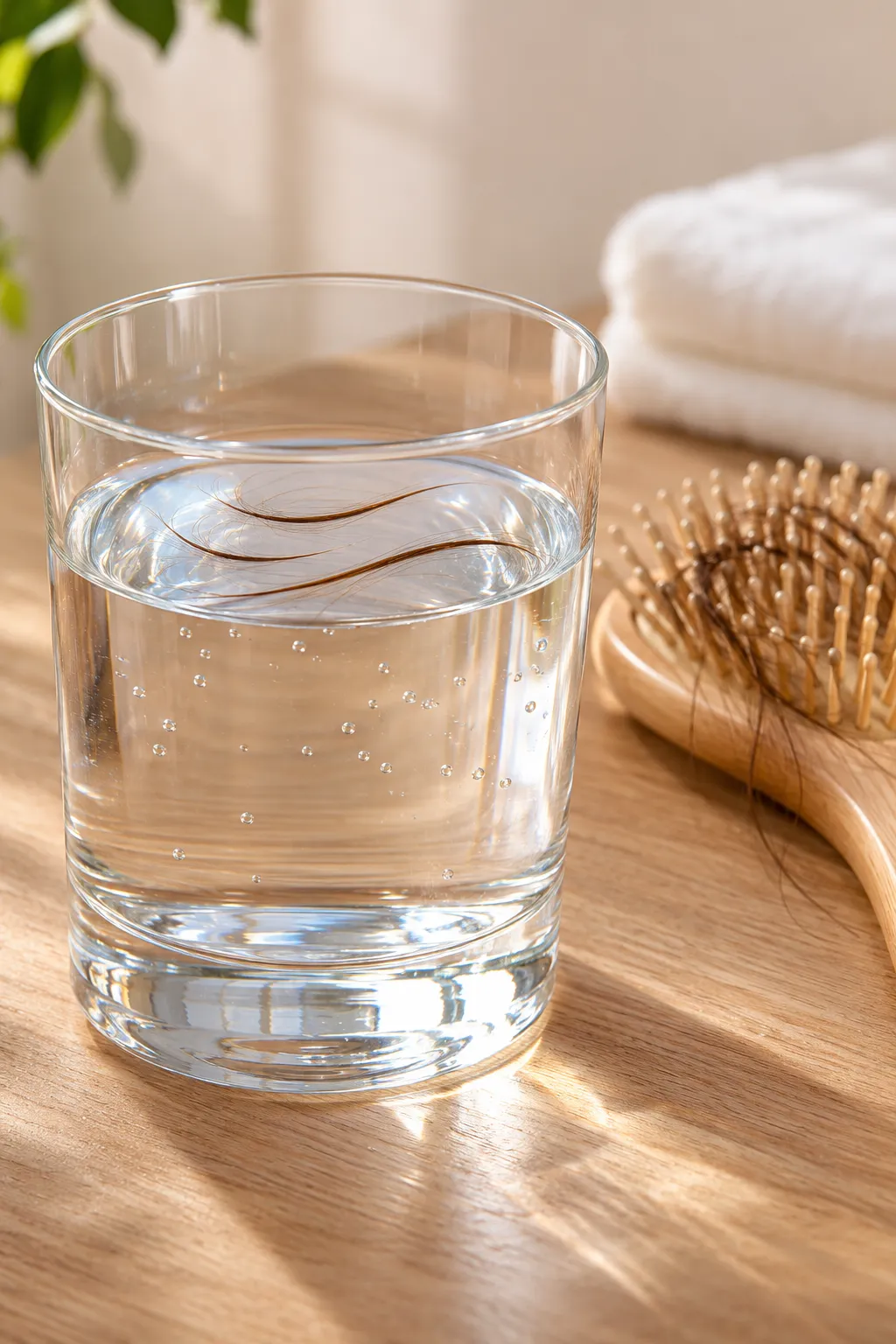
The Water Glass Float Test for Hair Porosity Needs Only a Few Minutes
- Wash your hair with a clarifying shampoo and let it dry naturally.
- Collect three or four loose strands from your brush.
- Fill a clear glass with room temperature water.
- Lay the strands gently on the surface.
- Wait two to four minutes.
- Check where the strands sit.
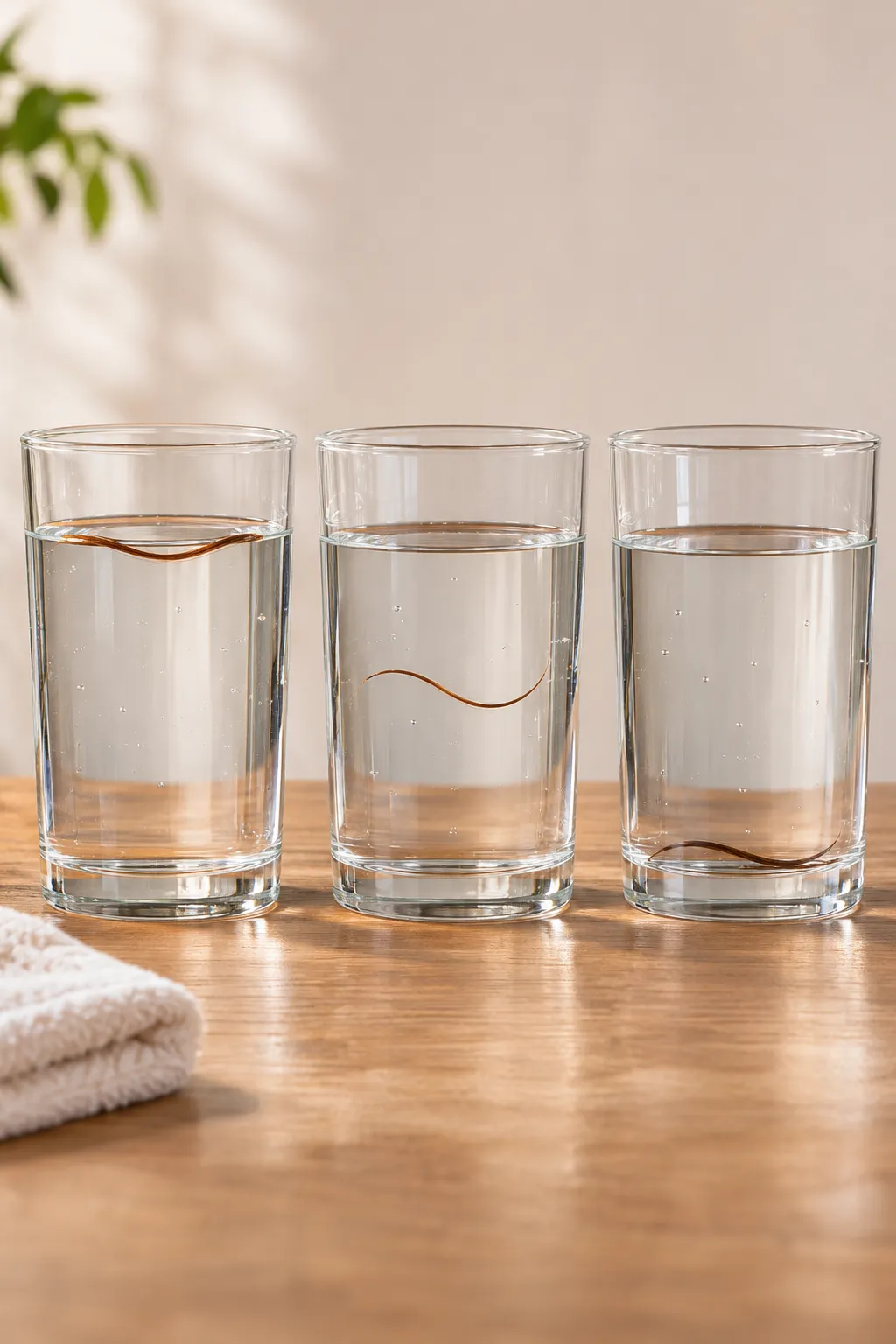
Strands with flat cuticles tend to resist water, so they float. Strands with open cuticles let water in, and the added weight pulls them down. A strand that floats for a while and then sinks slowly points to medium porosity.
Spray Bottle and Strand Slide Tests Give You a Second Opinion
- Spray a small section of clean, dry hair with water.
- Watch the droplets for one minute.
- Note whether they bead up or soak in.
Beads that sit on top suggest low porosity. Droplets that vanish at once suggest high porosity.
For the strand slide test, try this:
- Pinch one clean, dry strand near the end.
- Slide two fingers up the strand toward the root.
- Notice whether it feels smooth or bumpy.
A smooth glide often means low porosity. A bumpy or rough feel often means high porosity. A few small bumps may point to medium.
Prep Note: Test strands from your crown, your nape, and your ends. They may not agree.
Read Your Hair Porosity Test Result Before You Buy Another Product
The water glass float test for hair porosity gives a rough answer, so look for a pattern across all your tests.
| Sign | Low Porosity | Medium Porosity | High Porosity |
|---|---|---|---|
| Float test | Floats on top | Hangs in the middle | Sinks fast |
| Spray test | Water beads up | Water soaks in slowly | Water soaks in at once |
| Drying time | Slow | Moderate | Fast |
| Product feel | Sits on top | Absorbs well | Absorbs, then fades |
| Common frustration | Coated, heavy hair | Few problems | Frizz and tangles |
If your tests disagree, let wash day settle it. Notice how long your hair takes to get fully wet and how long it takes to dry after a towel blot. Slow on both points leans low. Quick on both leans high.
Think of the table as a map, not a label. Your hair can lean toward one column today and another after a color service. Colored or bleached hair often leans higher than your natural result, so expect that.
Now read the section that fits your result. Low porosity hair characteristics and oils come next. A high porosity hair moisture routine follows, and then medium porosity care. Landing between two groups is common, and the routines overlap.
Test Note: Write your result down with today’s date. Porosity can shift, and a dated note shows you when it did.
Which column sounds like your hair?
Low Porosity Hair Needs Light Products and a Little Warmth
Low porosity hair has tight, flat cuticles that resist moisture at first. Once moisture gets in, it tends to stay. Products that are too rich simply sit on the surface.
Low Porosity Hair Characteristics and Oils That Work Best
Common signs include slow wetting, long drying times, and a coated feel after heavy products. Strands often look shiny but can feel stiff when overloaded. Water tends to bead on dry hair, and buildup can leave strands dull between washes.
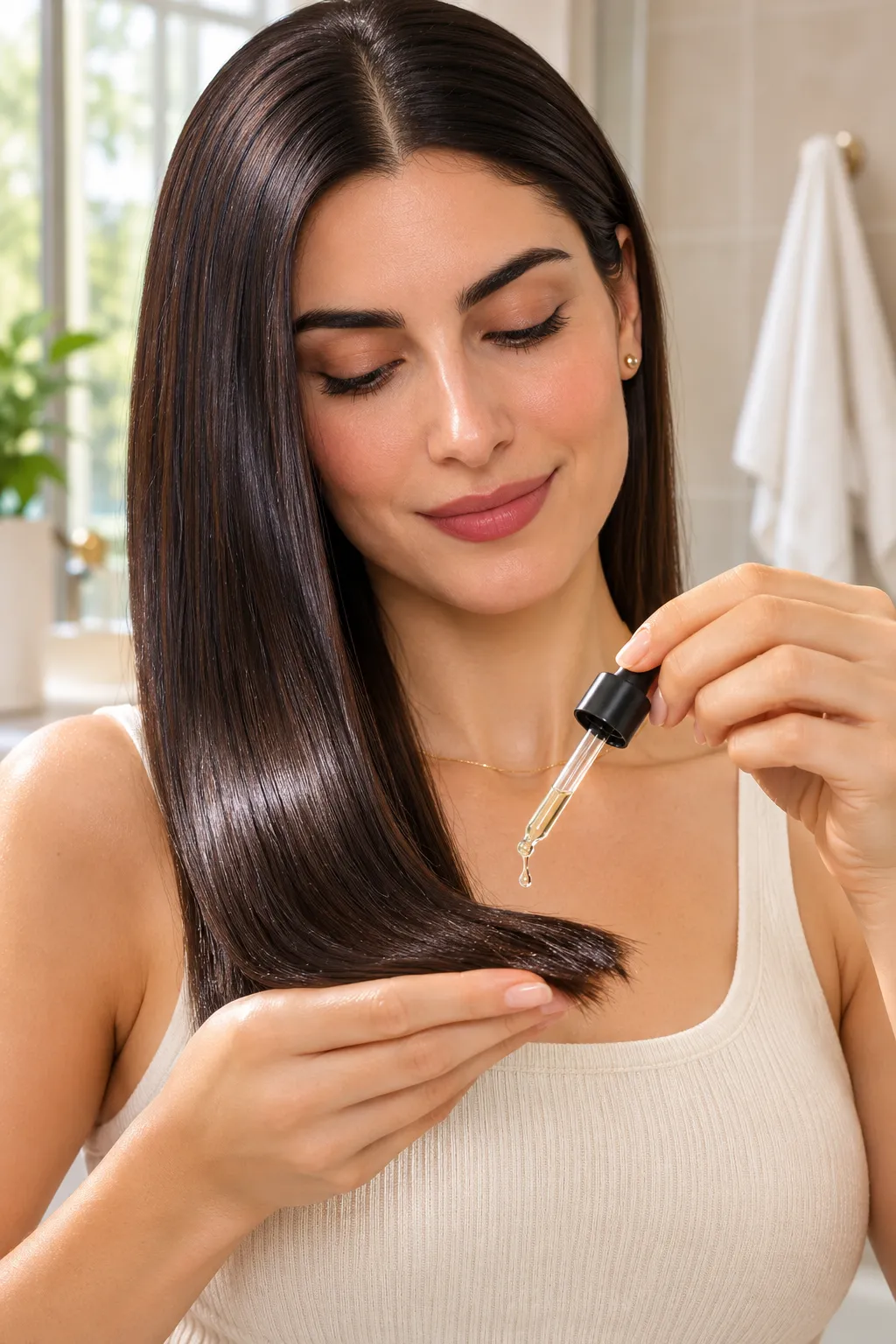
- Light oils: Grapeseed, argan, sweet almond, and jojoba oil usually absorb well and rarely weigh strands down.
- Heavy oils and butters: Castor oil, shea butter, and thick balms often sit on top, so use only a touch or skip them.
- Styling products: Lightweight mousses, sprays, and gels that list water first often rinse out cleaner than thick creams.
A Warm Deep Conditioner Helps Moisture Reach Low Porosity Strands
- Shampoo, then squeeze out extra water.
- Apply deep conditioner from mid lengths to ends.
- Cover your hair with a plastic cap.
- Add gentle warmth with a warm towel or a hooded dryer on low.
- Leave it on for about twenty minutes.
- Rinse with lukewarm water.
Warmth may lift the cuticle slightly, so conditioner can slip inside before the cuticle settles again. Repeat every two weeks, and clarify once a month so products do not pile up. Use less product than you think, and apply it to damp hair, because damp strands take in moisture more easily than dry ones.
Heat Tip: Keep the warmth gentle. If the cap feels hot against your scalp, take it off.
High Porosity Hair Loses Moisture Fast Unless You Seal It
High porosity hair has raised or gapped cuticles. Water enters fast and leaves fast, so hair dries quickly, tangles, and frizzes. Frizz is the loudest sign, but a rough feel and fast drying are clues too. It can come from genetics or from damage.
A High Porosity Hair Moisture Routine Starts in the Shower
Do the full routine once a week. On other wash days, skip step 2.
- Shampoo gently and focus on your scalp.
- Apply a rich deep conditioner and leave it on for twenty minutes.
- Rinse with cool water so the cuticle lies flatter.
- Smooth leave in conditioner through damp hair.
- Add a rich cream, then seal with oil or a little butter.
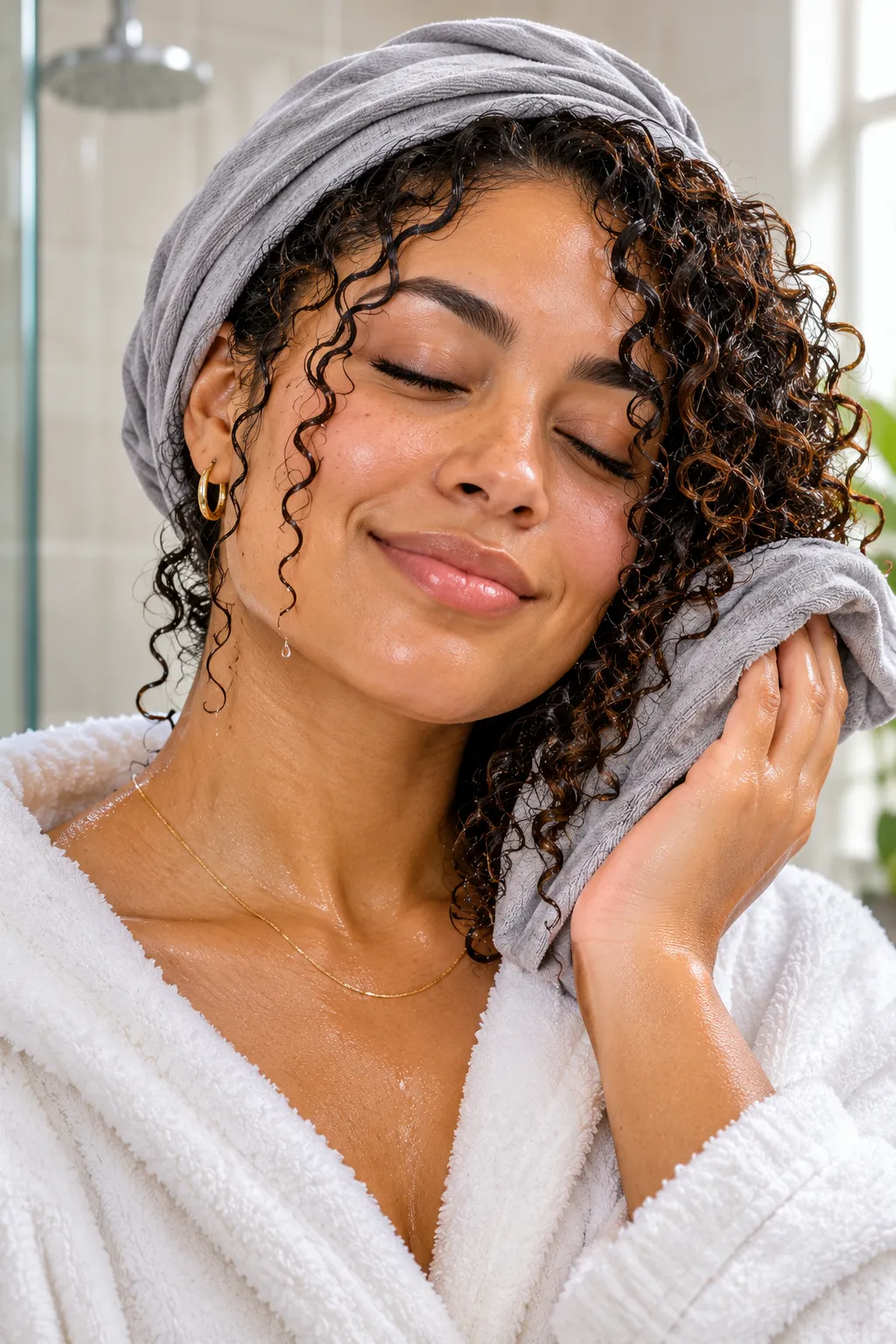
- Blot dry with a microfiber towel or cotton tee.
Rich layers fill the gaps and slow moisture loss, while cool water may help the cuticle settle. The cream adds moisture first, and the oil or butter on top acts like a lid.
Protect High Porosity Strands From Further Damage
Heat, bleach, frequent color, and rough towel drying can lift cuticles even more. A light protein treatment now and then may help strands feel stronger. Stop if your hair turns stiff or snaps.
- Heat: Use a heat protectant and the lowest setting that works.
- Sleep: Wrap your hair in a satin bonnet or sleep on a satin pillowcase.
- Color: Space out lightening services and ask your stylist for a gentle approach.
- Detangling: Use a wide tooth comb on damp, conditioned hair, since raised cuticles snag easily.
Care Note: If you see heavy breakage, or your scalp feels sore or itchy, a stylist or dermatologist can help you find the cause.
Fill the gaps first. Then seal them.
Medium Porosity Hair Stays Balanced With Steady, Simple Habits
Medium porosity hair takes in moisture well and holds it for a good while. Many people start in this group and drift out of it with heat and color. Styles often last, color often takes evenly, and products tend to work as labeled. Choose products by goal, such as volume, definition, or shine. It is the easiest group to care for, but it still needs attention.
Medium Porosity Care Is Mostly About Keeping That Balance
- Condition after every wash, focusing on mid lengths and ends.
- Deep condition every two weeks.
- Clarify once a month to clear buildup.
- Apply heat protectant before any hot tool.
Skip the deep conditioner on weeks when your hair already feels soft and bouncy. These four habits protect the cuticle without overloading it. Medium porosity hair rarely needs heavy sealing, but a touch of oil on the ends adds shine without weight.
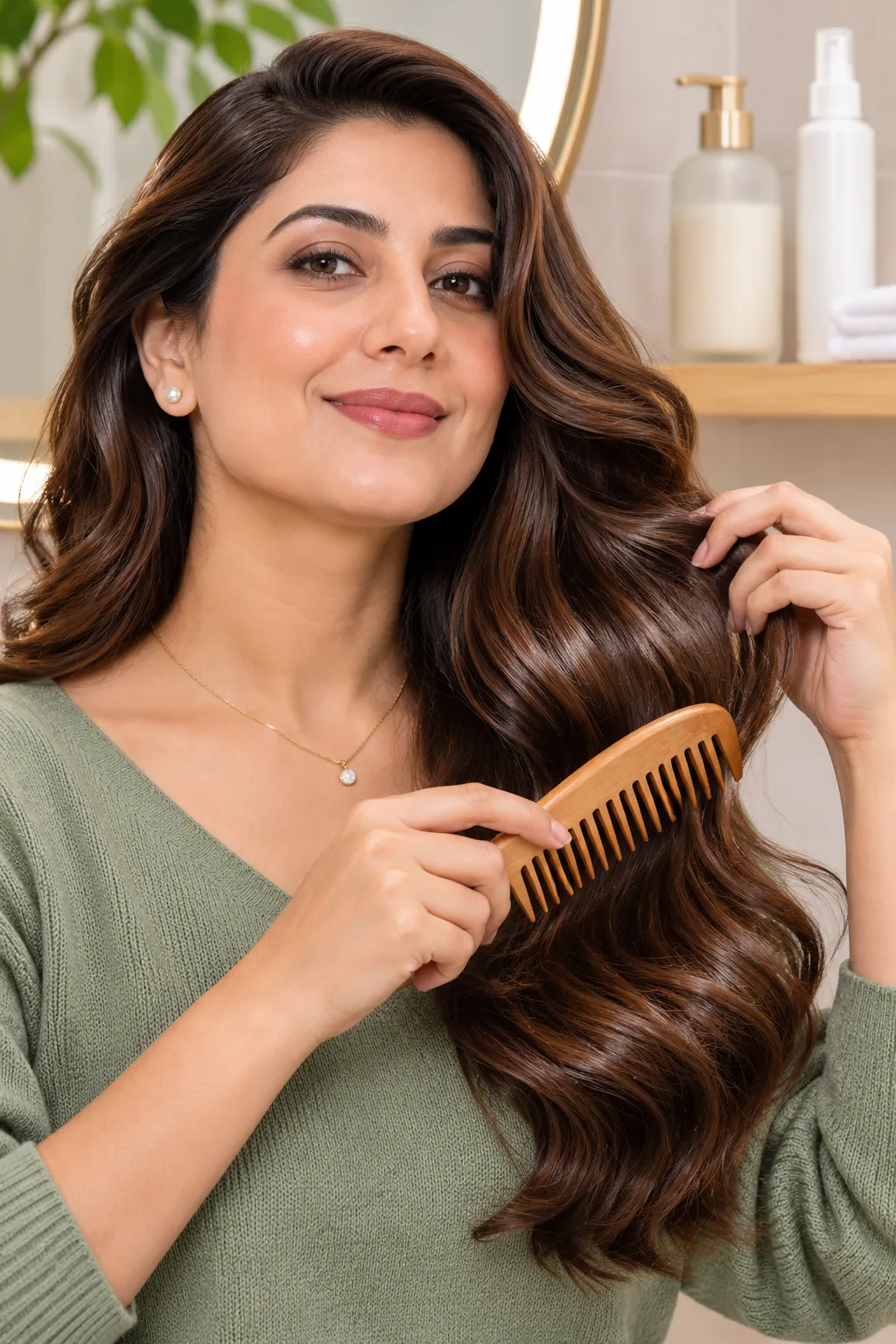
Watch for Signs Your Porosity Is Shifting
Medium porosity can drift toward high after bleach, frequent color, or daily heat. If your hair frizzes sooner or dries faster than before, repeat the spray bottle test. Droplets that soak in faster than they used to are a clear sign.
Weather can nudge results too, so adjust your sealing step with the seasons. Borrow steps from the high porosity routine above until your hair settles.
Avoid These Habits That Quietly Work Against Your Porosity
A hair porosity test only helps when you use the result. Small slips can hide a good answer, and these six cause the most trouble.
| Old Habit | Why It Backfires | Better Way |
|---|---|---|
| Buying by label claims alone | Words like hydrating say little about product weight | Judge how light or rich a product feels |
| Copying a friend’s routine | Her strands may sit in a different porosity group | Build your routine from your own result |
| Adding more product when hair feels dry | Low porosity hair gets coated, while high porosity hair needs sealing | Change the product weight, not just the amount |
| Switching products every week | Your hair never gets time to respond | Change one thing, then wait a few weeks |
| Putting all your product at the roots | Ends are often the most porous part | Apply from mid lengths to ends |
| Clarifying at every wash | It strips moisture and can leave hair rough | Clarify once a month, then deep condition |
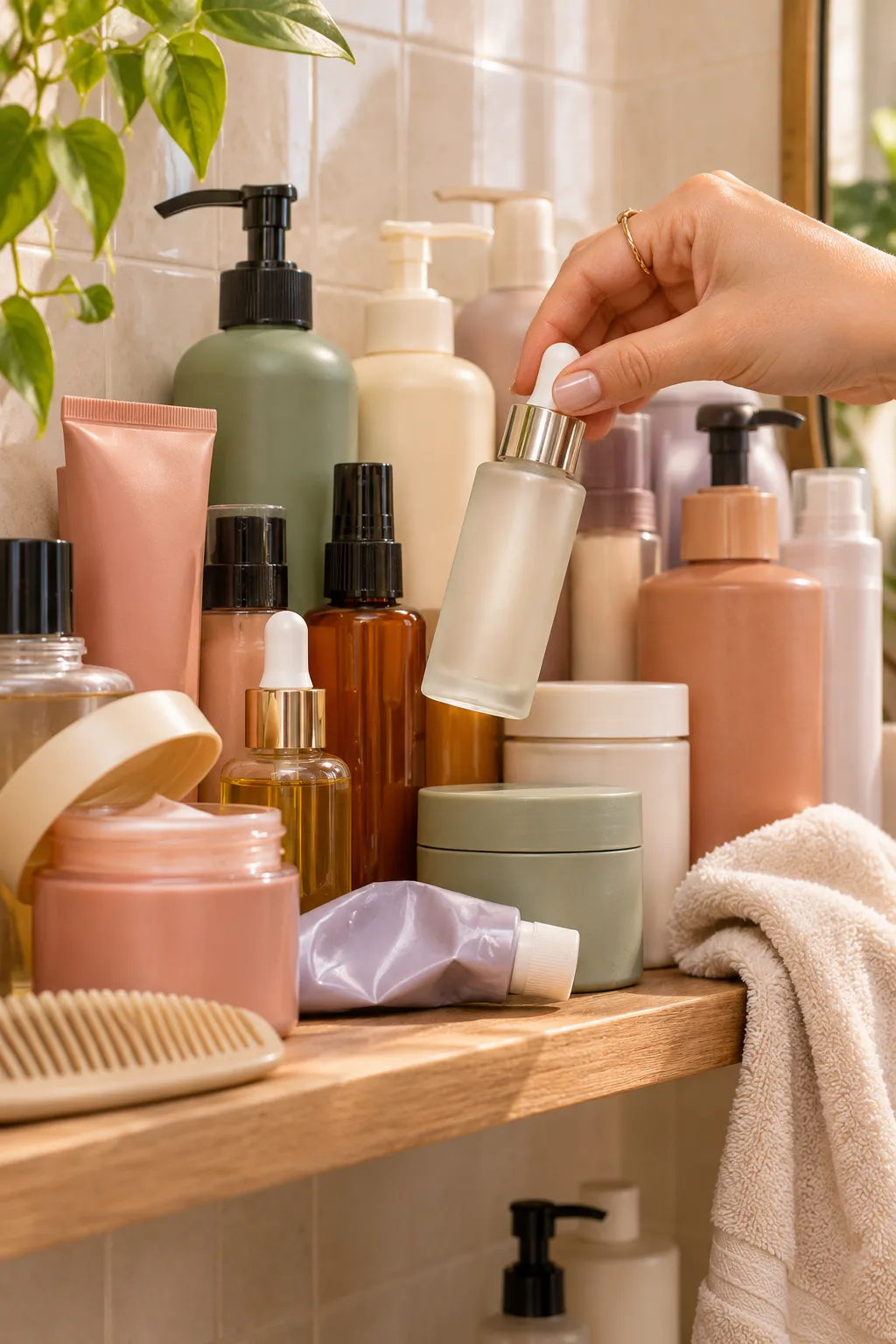
Weight matters more than claims. When oils or butters sit near the top of the ingredient list, a product is often rich. When water leads and oils sit lower, it is often lighter. Try a new product on a small section first, then judge it after one wash.
A routine that fights your porosity will always lose.
One Simple Formula Turns Your Result Into a Weekly Routine
Formula: test + match + seal + retest.
A formula keeps you from reinventing your routine every week. Test your porosity first. Match product weight to your result, using light formulas for low porosity and richer ones for high porosity. Seal moisture in with the right oil or butter. Retest every three months, since porosity can shift, and mark the date on your calendar so it happens.

Say your strands floated. Choose a lightweight leave in conditioner, seal with a few drops of jojoba oil, and deep condition with gentle warmth every two weeks. Save thick butters for rare days.
If your strands hung in the middle, keep it simple. Use a regular leave in conditioner, a touch of oil on the ends, and clarify once a month. Change nothing else unless your hair asks for it.
Maybe your strands sank fast. Go richer by layering cream and butter, deep condition weekly, and rinse cool. Add a satin bonnet at night to protect the work you did.
Plan one longer wash day each week for treatments, and keep the other washes quick. A routine you can repeat beats a fancy one you skip.
Stylist Tip: Snap a photo of your hair after each wash. Side by side photos show you what works and what does not, long before your memory does.
Frequently Asked Questions
Is the Float Test Accurate Enough to Trust?
It works as a starting point, not a lab result, so treat a single float as a clue rather than a verdict. Oil, product buildup, and surface tension can all keep strands afloat, even when the cuticle is open, so confirm it with the spray bottle test. If both tests agree, you can shop with confidence.
Can Hair Porosity Change Over Time?
Yes, porosity can change as your hair takes on damage or care. Heat, bleach, color, and sun can raise it, while gentle habits help protect it. Run a new hair porosity test after any big change to your color or heat habits.
What If My Tests Show Different Results?
Mixed porosity is common, so treat each zone on its own terms. Healthy roots may sit lower while older ends sit higher. Use lighter products near the scalp and richer ones on the ends, and judge each zone by how it feels once dry.
How Do I Know a Product Is Too Heavy?
A product is too heavy when your hair feels coated, looks limp, or takes much longer to dry. Cut the amount in half, or switch to a lighter formula that feels thin and spreads easily, and apply it to damp hair. Use a clarifying shampoo if buildup remains.
Does Low Porosity Hair Need Protein?
Low porosity hair may need protein less often than other groups. Extra protein can leave tight cuticles feeling stiff or dry. If your hair feels limp or weak, a light treatment now and then, followed by a deep conditioner, may still help.
Your hair is not difficult. It just needs the right match. Run your tests this week, change one thing at a time, and let your strands show you what works. Healthy hair starts with a good match, not a bigger shelf of products.