Butterfly Cut vs. Wolf Cut: Key Differences & How to Choose
You want layers, but the photos all look alike. Soft layers, face framing pieces, lots of movement. Is that a butterfly cut or a wolf cut? The butterfly cut vs wolf cut choice feels risky because you cannot undo a haircut.
Hair type adds a second question. Fine strands, thick strands, and waves all react in different ways. So does your patience with a round brush on a busy morning. A cut that looks easy in a photo can feel like work at home.
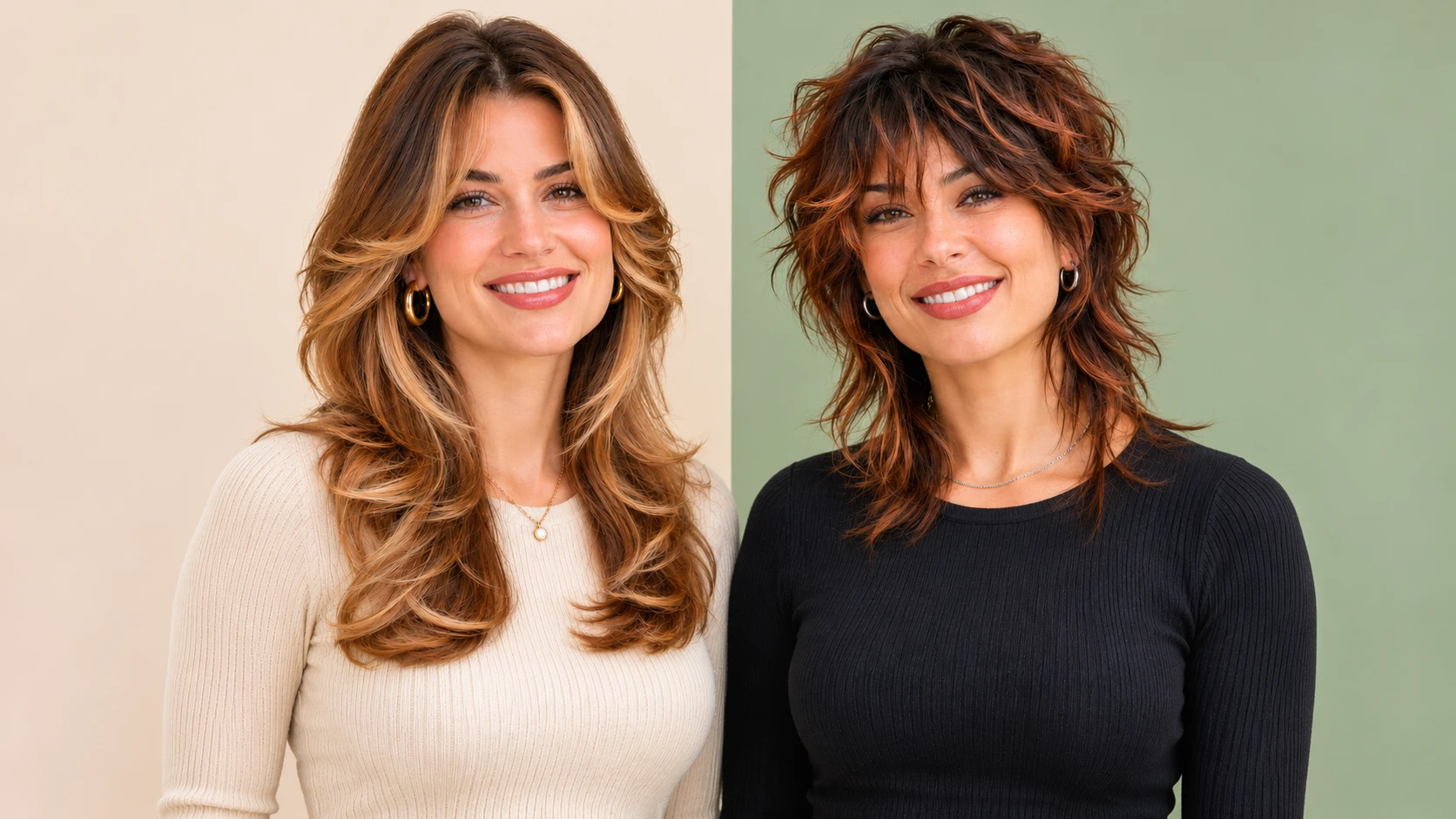
Here is the short answer. The butterfly cut brings soft, polished bounce, and the wolf cut brings shaggy, lived in texture. Your hair, your face shape, and your routine decide which one wins.
Keep reading to learn how to tell them apart, match each cut to your hair, and choose with confidence.
Both Cuts Use Layers, but They Build Shape in Different Places
Both cuts remove weight, but they remove it from different places. That one detail drives everything you see in the mirror.
What Is a Butterfly Haircut? Soft Layers That Frame the Face
A butterfly cut stacks short, face framing layers over longer layers underneath. The short pieces start near the cheekbones or chin, and the long layers keep your length. Together they create two levels, short wings over a long base.
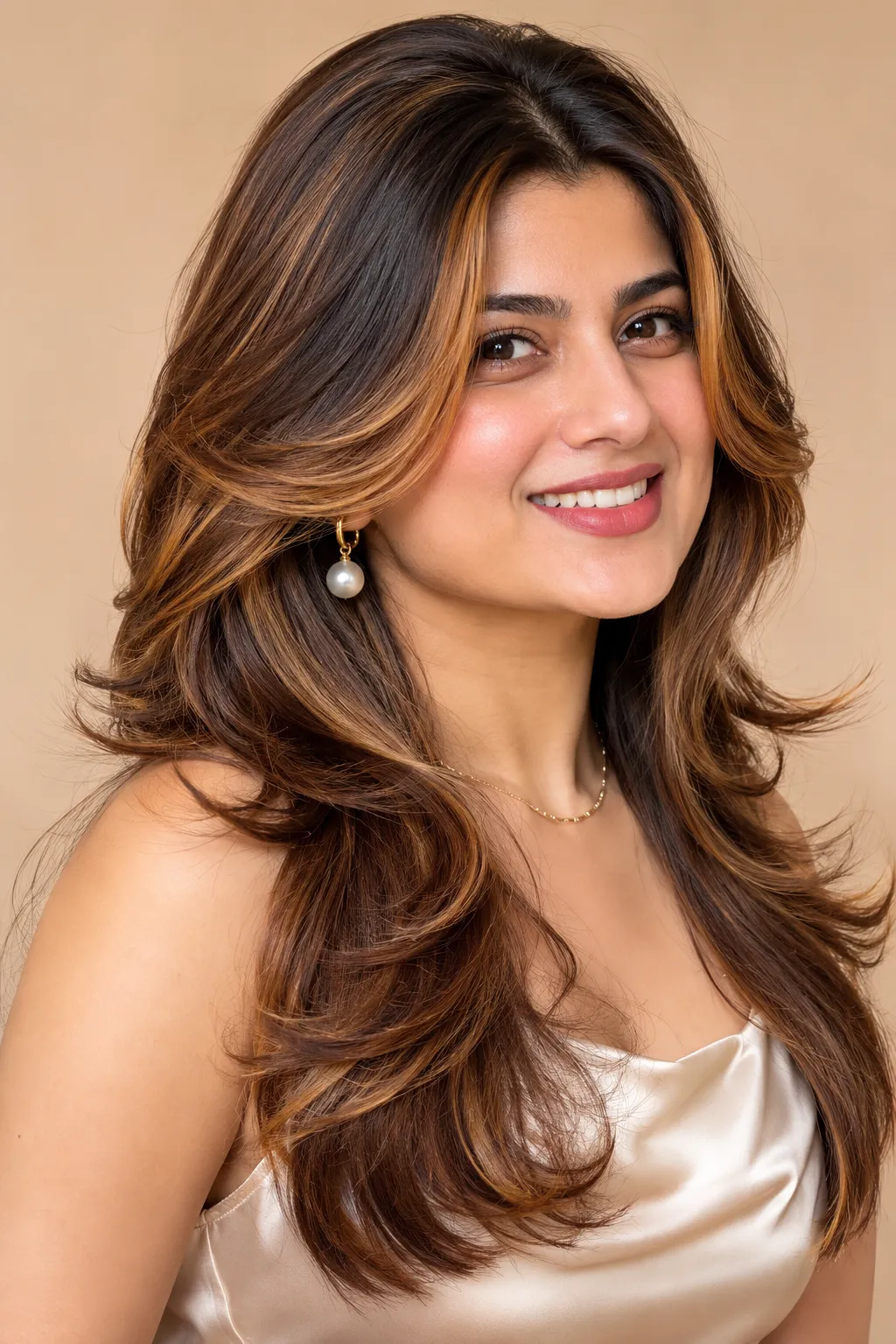
Blow dried with a round brush, the front layers sweep away from your face and the crown looks full. Length matters here. You need about shoulder length or more to show the contrast between short and long layers.
What Is a Wolf Cut? Shaggy Layers With a Lived In Edge
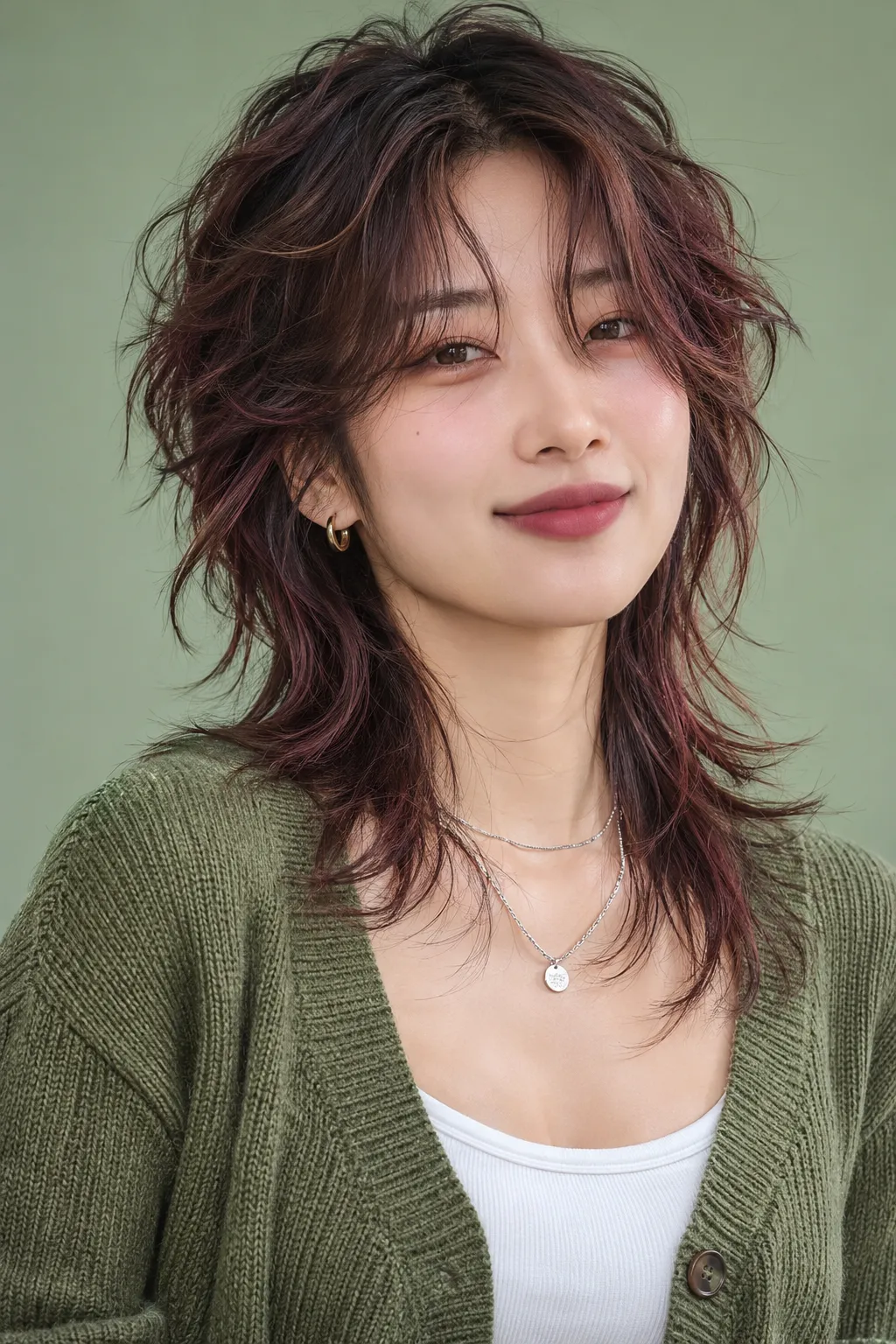
A wolf cut mixes a shag with a mullet. It has short, choppy layers on top and longer, wispy lengths at the back, finished with thinned ends. The result looks textured and a little wild.
Bangs often come with it, and the layers start high on the crown. Length is flexible, from chin length to well past the shoulders. Texture does the work, so a little mess is part of the look.
Cut Note: Wet hair stretches, then bounces up as it dries. A stylist may check the layers on dry hair to see the real shape, so ask how yours will be cut.
Butterfly layers float. Wolf layers fray on purpose.
Butterfly Cut vs Wolf Cut Shows Six Clear Differences in One Glance
The biggest differences show up in outline, texture, and daily effort. A side by side look makes them easy to spot.
Read each row as a tendency, not a rule. Stylists shape both cuts differently.
| Feature | Butterfly Cut | Wolf Cut |
|---|---|---|
| Overall shape | Smooth and rounded with face framing wings | Choppy and shaggy with a wide, wispy outline |
| Top layers | Soft and blended, often chin or cheekbone length | Short and sharp, often starting at the crown |
| Ends | Light and flicked out or slightly curved | Thin, feathered, and a bit messy |
| Bangs | Optional, usually curtain bangs | Common, often a shaggy fringe |
| Styling goal | Bounce and shine | Texture and movement |
| Amount of layering | Moderate, with long layers kept below | Heavy, with many short layers throughout |
If you like a clean shape that looks styled, lean butterfly. If you like movement that looks slept in, lean wolf.
The two cuts also overlap. Some stylists blend them, keeping the face framing wings and adding choppy crown layers. You get bounce with a little edge, which suits anyone who wants a softer wolf cut.
Stylist Tip: The same photo can be labeled either cut online. Judge by the layers, not the caption.
Pick the mood first. The haircut follows.
Match the Cut to Your Strands Before You Match It to a Photo
Texture decides whether layers look light or look sparse. The same cut can behave differently on two heads.
Butterfly Cut vs Wolf Cut for Thin Hair: Which Adds More Body
Both cuts can make thin hair look fuller, but they do it differently. A butterfly cut keeps most of your length, so the ends hold their weight. Wolf cuts add lift at the crown, yet many short layers may leave fine ends wispy.

Ask for fewer, longer layers either way, and keep the cut dense at the bottom. Fine strands can show gaps between layers, so keep the face framing pieces soft and long. If you notice sudden or patchy thinning, talk with a dermatologist or a professional stylist.
Other hair types need small tweaks:
- If your hair is thick: A wolf cut often works well, because short layers remove bulk and weight.
- If your hair is straight: A butterfly cut shows off the smooth, swingy layers and the blowout shine.
- If your hair is wavy or curly: A wolf cut often follows your natural pattern, so the layers blend in.
- If your hair is coily: Ask for either cut shaped dry, since coils shrink as they dry and change the final shape.
Prep Note: Take a photo of your hair air dried, in natural light, before your visit. It shows your real texture and part, and it helps your stylist judge density.
Good layers respect the hair you already have.
Which Cut Is Easier to Style Depends on Texture, Tools, and Morning Time
In the butterfly cut vs wolf cut matchup, the wolf cut is usually easier on a rushed morning. The butterfly cut asks for a little more effort.
Undone is the whole point of wolf layers. You can air dry, scrunch in a light cream or texture spray, and go.
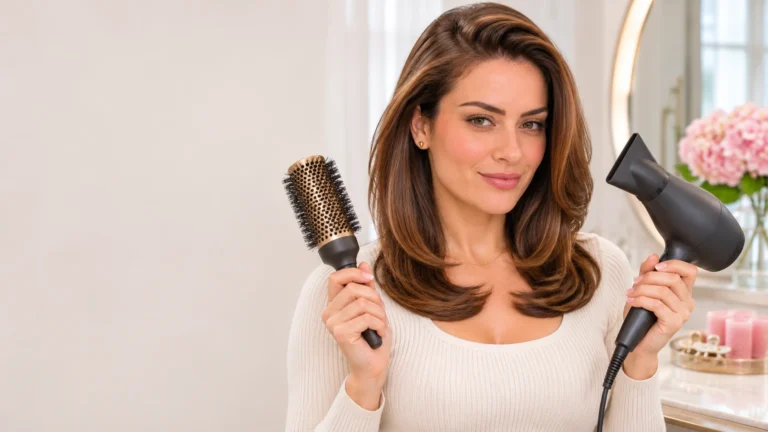
Butterfly layers need shape. A round brush and a blow dryer help the front pieces curve away from your face, and a blast of cool air sets the curve. Large hot rollers or a large barrel iron can finish the ends.
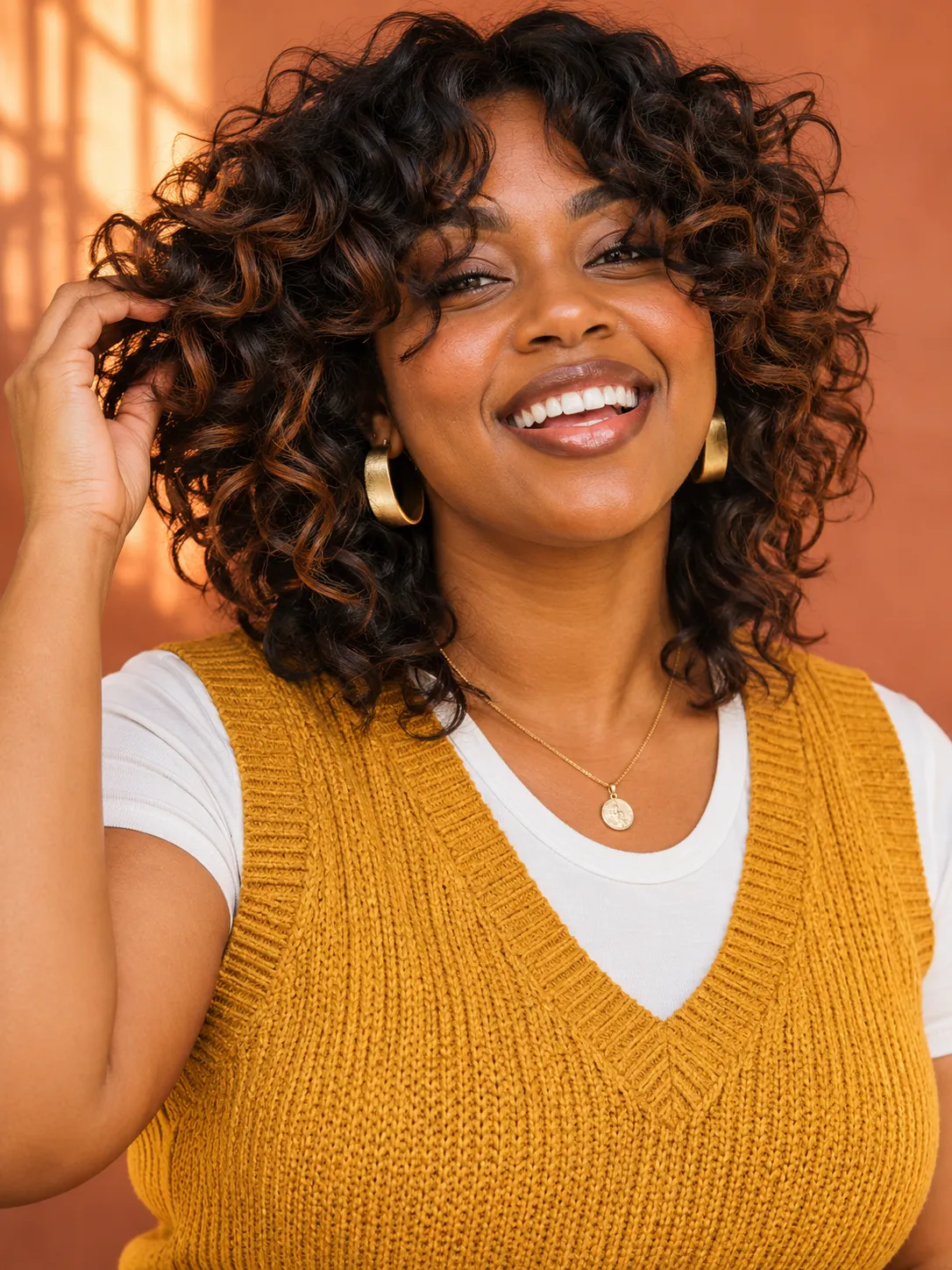
Heat Tip: Use a heat protectant before any blow drying or curling. Keep the dryer moving so the ends stay soft.
| Situation | Better Pick | Quick Method |
|---|---|---|
| Five minutes only | Wolf cut | Scrunch a light cream into damp hair and air dry |
| Humid day | Wolf cut | Let waves form and add texture spray |
| Date night | Butterfly cut | Round brush the front and curl the ends |
| Air drying only | Wolf cut | Twist a few damp pieces and leave them alone |
| Special event | Butterfly cut | Blow dry smooth, then add large barrel curls |
It is often easier to add polish to a shaggy cut than to add mess to a smooth one. On days that call for a sleeker look, a flat iron or a round brush can smooth the same layers. If you want range, that points to the wolf cut.
The easiest cut is the one you will actually style.
Your Face Shape Helps Decide Where the Shortest Layer Should Sit
Layers work like a frame. Where they start can soften or sharpen your features.
Not sure of your face shape? Pull your hair back, stand in front of a mirror, and check where your face is widest. Then match it to the shapes below.
Round faces often look balanced with a butterfly cut. Start the shortest face framing layer at the chin or just below, so it draws the eye down. Avoid starting short layers at the widest part of the cheeks, since that may add width.

If your face is square, soft, wispy layers around the jaw often help. A wolf cut with feathered ends can blur strong corners.
A heart shaped face often suits curtain bangs and layers that start at the cheekbones. Either cut works if the lower layers add some width near the chin.
With an oval face, you can wear almost anything. Pick by texture and routine instead.
Long faces often look better with fringe or layers that add width at the sides. A wolf cut with bangs can shorten the look of the forehead.
Fit Note: Face shape is a guide, not a rule. Your hairline, part, and lifestyle count just as much.
Lifestyle matters too. If you wear your hair up often, expect short pieces to fall out of a ponytail with either cut. A half up style hides them best.
Layers should flatter your face, not fight it.
A Clear Consultation Gets You the Shape You Actually Want
Names can mislead. People who search what is a wolf cut find many different answers, so plain words and photos work better.
First, bring photos from the front, side, and back. The back view shows how the layers stack, and the front can fool you.
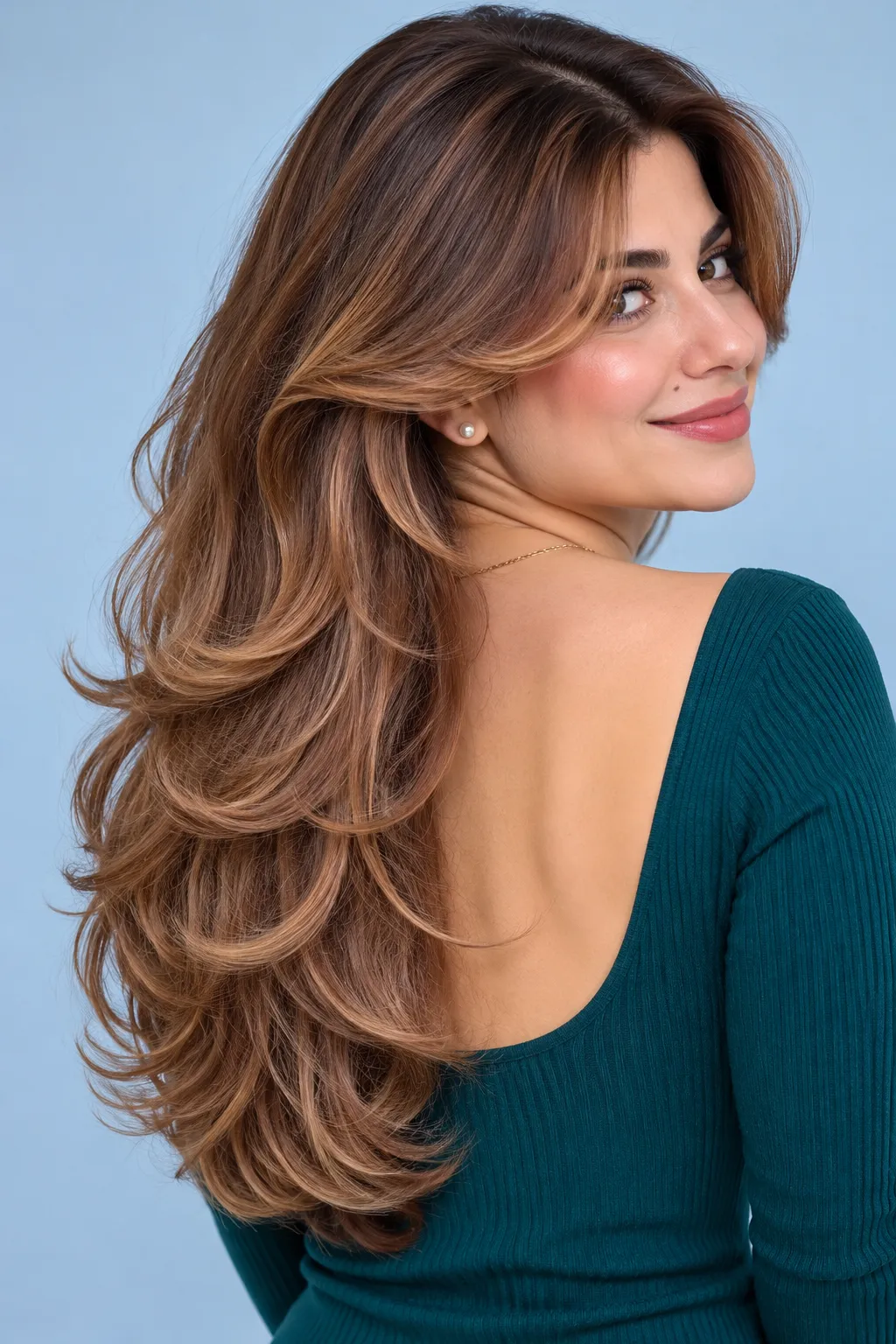
Next, say where the shortest layer should land. Use landmarks, such as cheekbone, chin, or collarbone, instead of words like short or medium.
Ask how many layers they plan to cut. Fewer layers keep fine hair looking full, while more layers add the choppy wolf look.
Then share your routine. Tell your stylist if you air dry, how long you spend on your hair, and which tools you own.
Mention bleach, color, and heat damage too. Damaged ends may need a shorter shape or a stronger trim, and a professional stylist can judge that.
Plan ahead for growth. Ask what the cut will look like in six weeks, and when to book a trim.
Finally, ask for a check with your hair dry before you leave. A stylist can still adjust the face framing pieces then.
Salon Tip: Ask for a longer first cut. You can always take more off later. Leaving extra length gives both of you room to adjust.
Clear words save you from a surprise.
Seven Common Mistakes Can Turn a Soft Cut Into a Messy One
Most layered cut problems come from habits, not from the haircut. Fix the habit and the shape comes back. Check this list before you blame the scissors.
- Copying a photo exactly: Models often have different hair density and a styled finish. Use the photo as a guide, not a blueprint.
- Ignoring your tools: Ask which cut is easier to style with the brush and dryer you already own.
- Skipping trims: Layers lose their shape as hair grows, and the front pieces change first.
- Using heavy products: Thick creams and strong gels weigh layers down, especially on fine hair. Start light and add more only where needed.
- Brushing out wolf texture: A brush may flatten the layers and add frizz. Use your fingers or a wide tooth comb instead.
- Mixing photos without a plan: Two photos can give layers that fight each other. Pick one main cut, then add one detail from the other.
- Washing every day: Daily washing may dry the ends and flatten texture. Try every second or third day if your scalp feels comfortable.
Care Note: Layers show split ends fast. A light leave in conditioner on the ends can keep the shape neat.
Small habits protect a good haircut.
One Simple Formula Settles the Butterfly Cut vs Wolf Cut Question
You can decide in three quick checks. Use the same formula every time you doubt yourself.
Formula: texture + time + face shape = your cut.
Give each cut one point for every check it passes. The cut with more points wins.
Texture comes first: fine or straight hair gives butterfly a point, while thick, wavy, or curly hair gives wolf one. Time comes next: ten minutes or more favors butterfly, and five minutes or less favors wolf. Face shape comes last: round faces lean butterfly, and square or long faces lean wolf.
Write your three answers on your phone before you book. Here is how it plays out for different people:
| Hair Profile | Daily Time | Face Shape | Likely Pick |
|---|---|---|---|
| Fine and straight | 10 minutes | Round | Butterfly cut |
| Thick and wavy | 5 minutes | Square | Wolf cut |
| Medium and curly | 5 minutes | Heart | Wolf cut |
| Thin and straight | 15 minutes | Long | Butterfly cut with fewer layers |
| Fine and wavy | 7 minutes | Oval | Either, with light layers |
Row four mirrors the butterfly cut vs wolf cut for thin hair question. Thin hair and a longer routine favor butterfly, and a long face leans wolf, so butterfly wins two checks to one.
If the points tie, let daily time decide. You will style this cut again and again.
Three honest checks beat a hundred saved photos.
Frequently Asked Questions
Which cut grows out more gracefully?
The wolf cut usually grows out more gracefully. Its layers already look messy, so new growth blends in and the shape stays wearable for longer. In a butterfly cut vs wolf cut comparison, the butterfly shape often loses its curve first.
Is a wolf cut the same as a shag?
Not quite, though they are close cousins that share plenty of texture. A shag has layers all over for a soft, feathery shape. The wolf cut adds a mullet like back, with shorter top layers and longer lengths behind, so it feels edgier.
How much length will I lose?
You will often lose less length with a butterfly cut, since most layers stay long. A wolf cut may take more, because the short crown layers need a matching back. If length matters to you, say so before the first snip and ask how much will come off.
How can I keep the shape between washes?
Protect the layers at night with a loose braid or a silk pillowcase to cut down on friction. On day two, refresh with a light mist of water and a small amount of texture product. Skip tight elastics, since they may dent the layers.
How is a butterfly cut different from regular layers?
A butterfly cut pairs short face framing layers with long layers underneath, and regular layers often blend evenly. If you are still asking what is a butterfly haircut, look for that contrast and the bouncy blowout shape. Without it, you are likely looking at ordinary layers that happen to be long.
Both cuts can look amazing, and neither one is a mistake. Choose the one that matches your texture, your mornings, and your mood, then trust a good stylist with the rest. Your next haircut should feel easy, not just look good in photos.