Hair Color Chart for Skin Tones: Find Your Best Shade & Undertone
You hold a swatch up to your face and love it. Then the color goes on your hair, and your skin looks tired. It happens more often than you would think.
Maybe a shade that glowed on a friend turned brassy on you. Maybe a cool blonde from a photo made you look gray. Or maybe you have olive skin, and every chart you find talks only about fair and tan.
The answer is undertone. A good hair color chart for skin tones matches the warmth or coolness of a shade to the warmth or coolness under your skin. When the two agree, your face looks bright and your hair looks rich.
Here, you will learn how to find your skin undertone (warm, cool, neutral), read the chart, and test a shade before you book.
Undertone Matters More Than How Light or Dark Your Skin Looks
Your undertone is the quiet color beneath the surface of your skin. It tends to stay the same when you tan, blush, or fade in winter.
Skin Tone and Undertone Are Not the Same Thing
Skin tone is how light or dark your skin looks on the surface. Colorists call that depth. Undertone is the cool, warm, or neutral color under it. Two people can share the same depth and need very different hair colors.
Hair works the same way. Every shade has its own undertone, and it either agrees with yours or fights it. When it fights, you may see sallow patches, extra redness, or shadows under the eyes.
How to Find Your Skin Undertone (Warm, Cool, Neutral)
Try this quick test with a clean, bare face.
- Stand near a window in natural daylight. Warm bulbs and bright screens can change how your skin looks.
- Look at the veins on your inner wrist. Blue or purple veins often point to cool. Green veins often point to warm. A mix often means neutral.
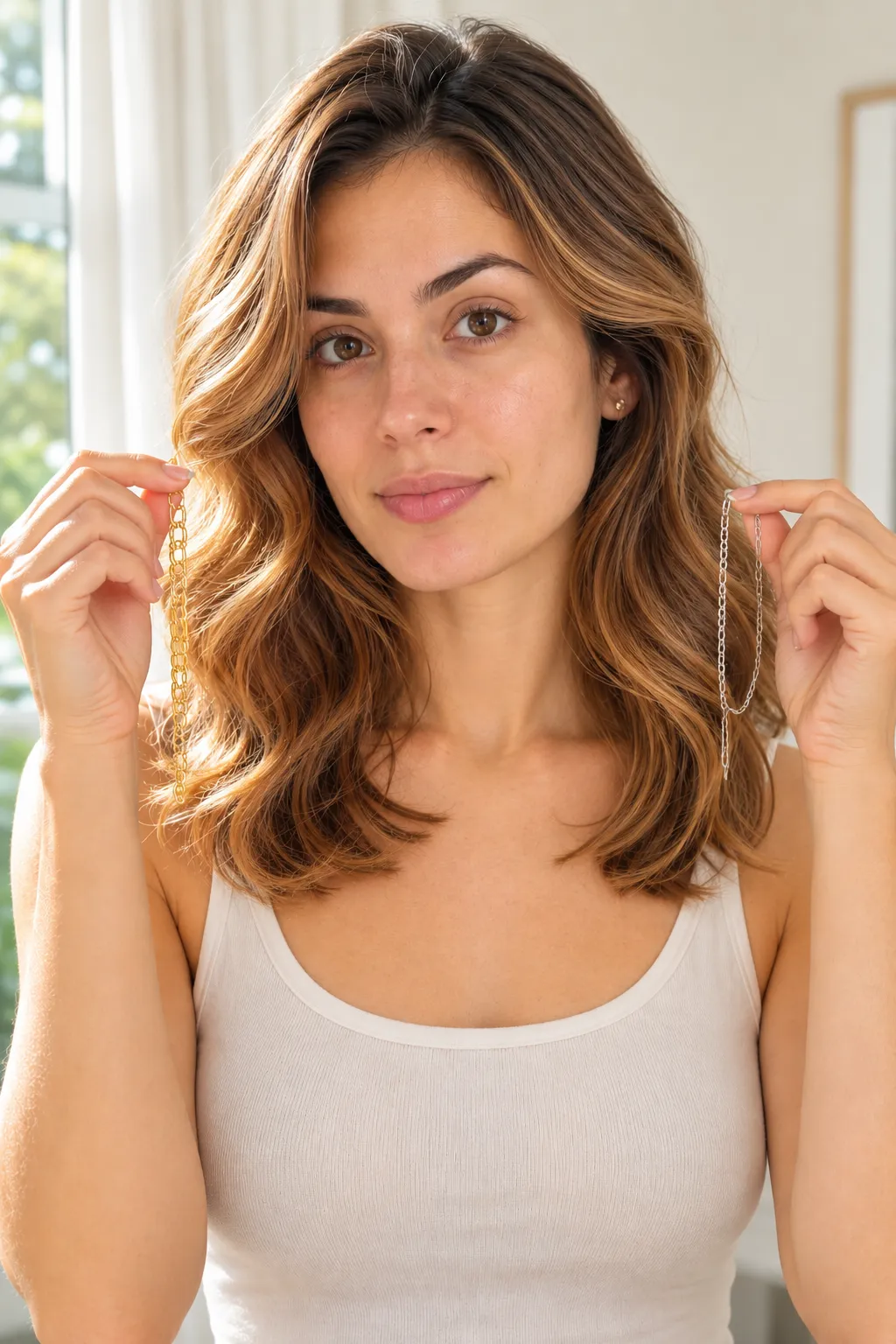
- Hold a gold piece of jewelry and a silver piece next to your face. See which one makes your skin look brighter.
- Hold a sheet of plain white paper under your chin. Pink or rosy skin may be cool, yellow or golden skin may be warm, and gray or green skin may be olive.
- Count your clues. Pick the undertone that shows up most.
Each clue reads a different layer. Veins show color through the skin, metal reflects light, and paper shows the shift next to white. One clue can mislead you. Three clues rarely do.
This Hair Color Chart for Skin Tones Matches Undertone to Shade
Think of this chart as a map, not a rule book. Find your undertone in the first column, then read across.
| Undertone | Best Shade Families | Use With Care |
|---|---|---|
| Warm | Golden blonde, honey, caramel, copper, auburn, golden brown | Icy platinum and strong ash tones |
| Cool | Ash blonde, ash brown, cool dark brown, blue black, plum, burgundy | Brassy gold and bright orange copper |
| Neutral | Beige blonde, mushroom brown, soft chestnut, balanced brown | Extreme gold or extreme ash |
| Olive | Chocolate, espresso, honey brown, soft caramel, beige blonde | Very ashy tones that may look gray or green |
Each row lists shade families, not exact formulas. Your colorist can mix a custom tone inside any family. The warm row holds the best hair colors for warm undertones. The cool and olive rows hold the best shades for cool and olive skin tones.
Ash means a cool tone with a gray or blue base. Gold means a warm tone with a yellow base. Beige and mushroom sit in the middle, which is why neutral skin wears them well.
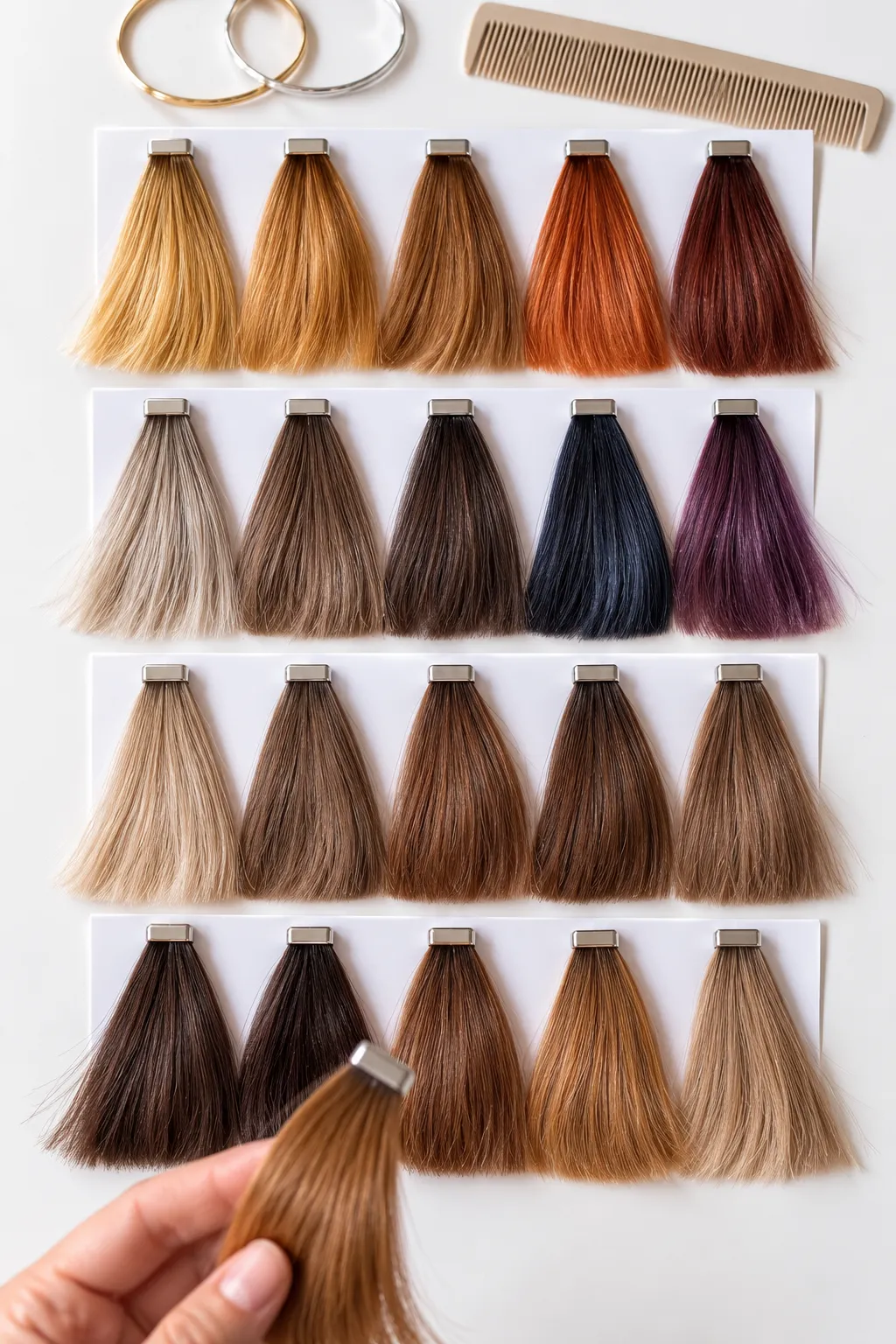
Between two rows? Mixed undertones are common. Pick the closest row first, then test the one beside it. A neutral shade often bridges the gap.
Save the chart to your phone so you can show your colorist exactly what you mean.
Chart Note: Bring photos of the finish you want, because one color name can look different from salon to salon.
Warm Undertones Glow Next to Golden, Copper, and Honey Tones
Warm skin carries a golden, peach, or yellow glow. Hair with the same warmth looks like it belongs there. Think sunlight, honey, and fall leaves.
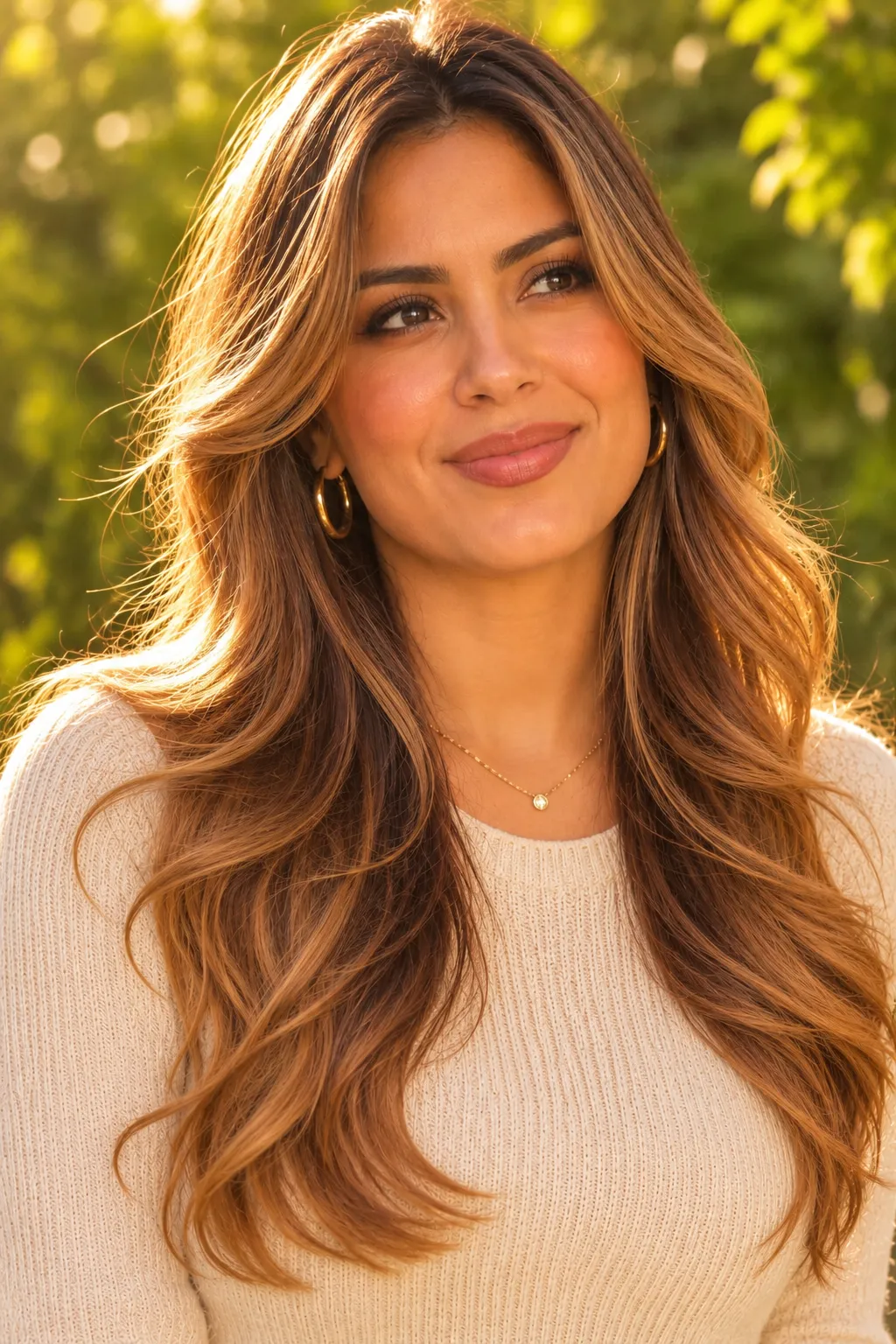
Best Hair Colors for Warm Undertones
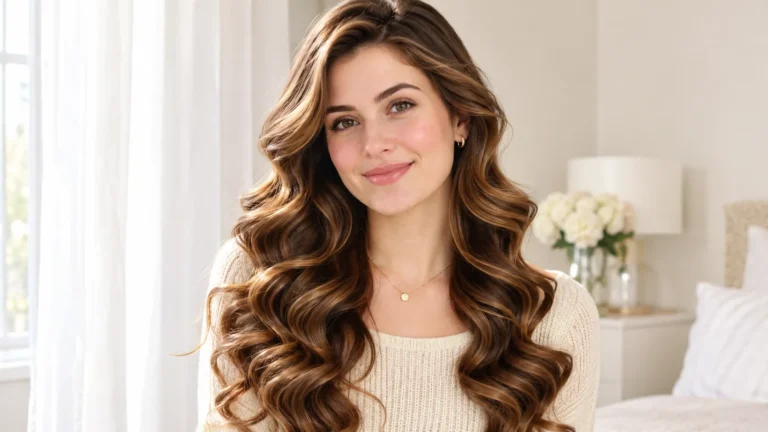
Match the warmth first, then match your depth. On fair to light skin, try strawberry blonde, golden blonde, or light copper. On medium skin, golden brown, caramel, and chestnut add richness. On deep skin, warm espresso, cinnamon, and copper highlights look natural.
Texture changes the finish. Straight hair shows one smooth color. Curly and coily hair can look richer with dimension, such as a caramel gloss over a brown base.
Placement matters as much as shade. Ask for gold pieces around the face and crown, where light hits first. A soft root blend keeps regrowth gentle.
Cool Shades That May Drain Warm Skin
Strong ash blonde and icy platinum often look gray against warm skin. Blue black can feel harsh. If your cheeks flush easily, strong copper can look redder on you than in photos, so choose a golden copper or a soft caramel instead. If you love a cool shade, ask for a softer version, such as beige blonde or a neutral brown.
Warm shades fade too, and they can slip toward orange. A gloss every few weeks keeps the color rich.
Why fight a match this natural?
Cool, Olive, and Neutral Skin Each Need Their Own Shade Rules
These three groups often get lumped together. Yet each one reacts to gold and ash in its own way.
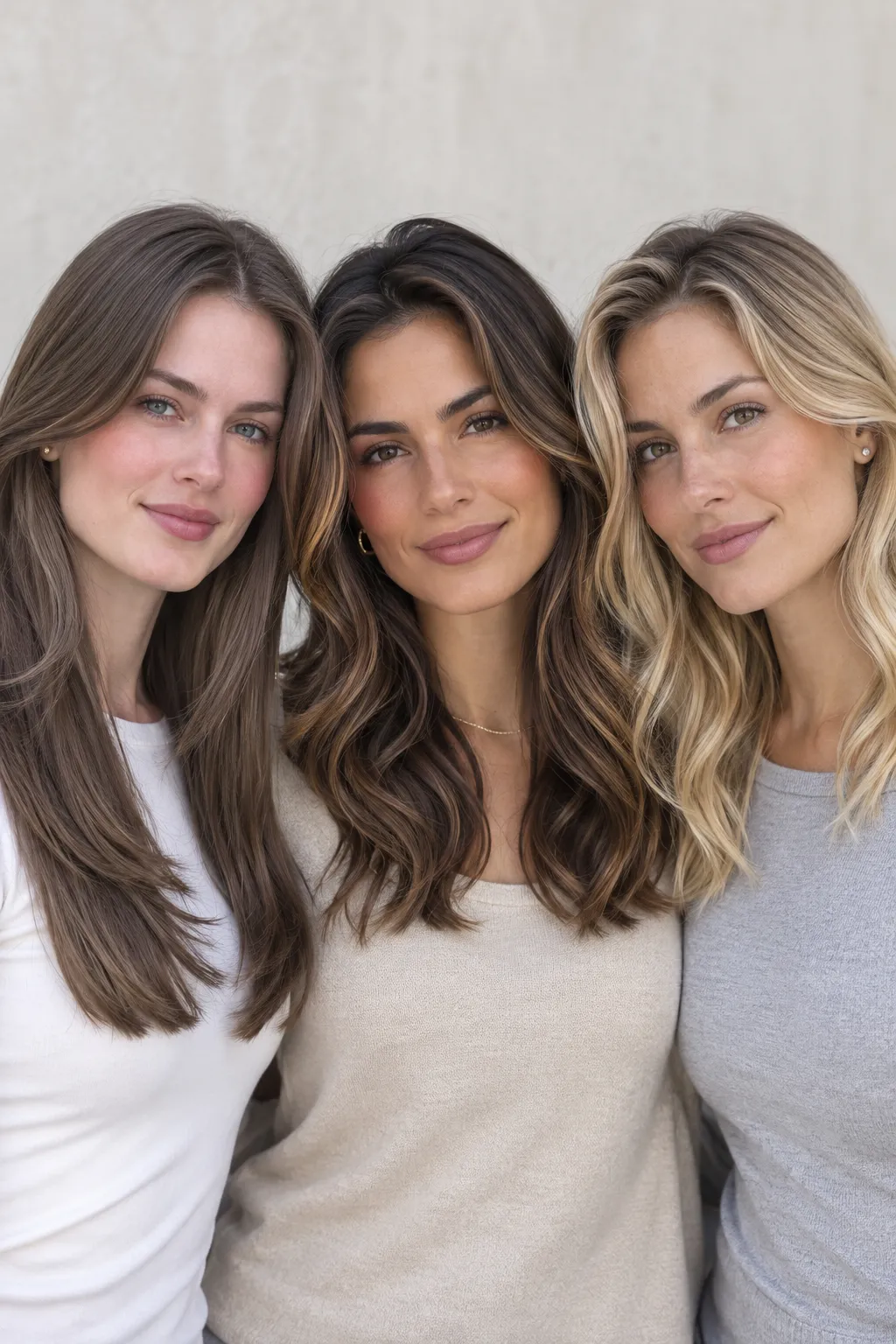
Best Shades for Cool and Olive Skin Tones
Cool skin has a pink, red, or blue cast. Ash blonde, cool brown, blue black, plum, and burgundy often look sharp and clean. A soft violet gloss can keep a blonde from turning yellow. If your skin flushes pink, skip bright red and choose a cool brown with a violet base.
Olive skin has a green or gray cast, often with a touch of gold. Rich chocolate, espresso, honey brown, and soft caramel give it depth. Very ashy shades can make olive skin look dull, so choose golden or beige tones if you want blonde. For highlights, keep them honey or caramel and start them away from the roots for a soft blend.
Olive Note: Ash tones may pull green on olive skin, so ask your colorist to keep any blonde gloss soft and warm.
Neutral Undertones Can Borrow From Both Sides
Neutral skin sits in the middle, so you have the widest range. Beige blonde, mushroom brown, and soft chestnut are easy starting points. From there, nudge the shade warmer or cooler with a gloss until it suits your eyes and wardrobe. If you are torn between two shades, pick the one closer to your natural color first, then go bolder at your next visit.
Match Skin Depth and Eye Color to Fine Tune Your Shade
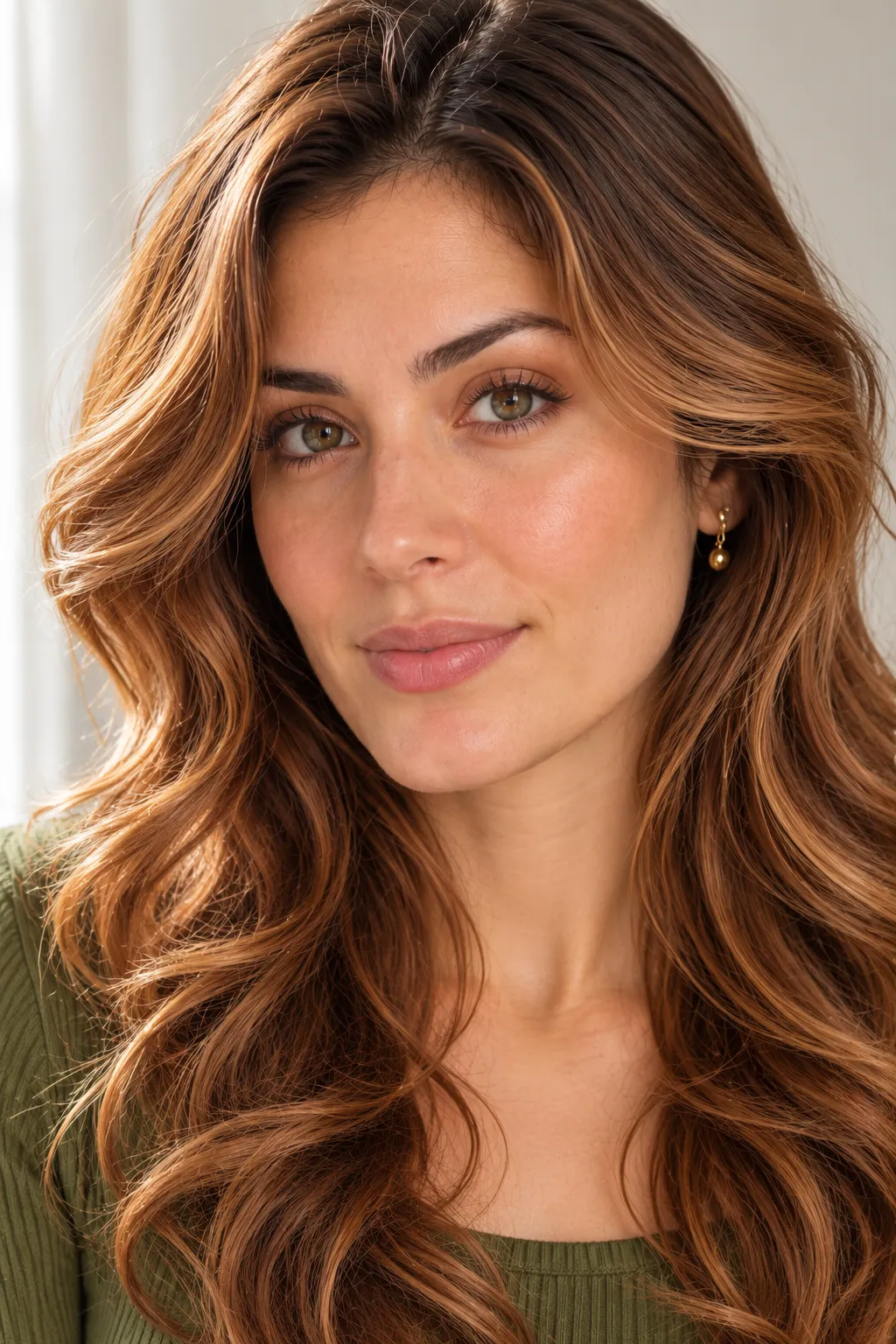
Your hair color chart for skin tones gives you the shade family. Depth and eye color set the level and the mood. Many colorists rate hair on a scale from 1 for black to 10 for the lightest blonde, so you can talk about shade in plain numbers. Use the table as a starting range, then adjust to taste.
| Skin Depth | Shade Direction | Contrast Tip |
|---|---|---|
| Fair | Light blonde to soft brown | Very dark hair can look harsh, so add a gloss or a few lighter pieces |
| Light | Golden or ash blonde, light to medium brown | Place brighter pieces around the face |
| Medium | Caramel, chestnut, honey brown | Add a few light ribbons for depth |
| Tan | Deep golden brown, copper, dark chocolate | Pale blonde needs regular glosses |
| Deep | Espresso, dark chocolate, mahogany, copper accents | Warm highlights near the face add glow, while heavy ash may look gray |
Eye color can nudge the final tone.
- If you have brown eyes: Warm browns, caramel, and copper bring out gold flecks.
- If you have blue or gray eyes: Cool blondes and ash browns brighten them, and soft copper can make blue eyes pop on warm skin.
- If you have green or hazel eyes: Gold, copper, and red brown shades often make green and hazel eyes look brighter.
Hazel eyes shift between green and brown, so check the shade in daylight and let the stronger tone in your eyes guide you.
Contrast Note: Stay within two or three levels of your natural color for easier upkeep and softer regrowth.
Check a Hair Color Chart for Skin Tones Against Your Face
A chart gets you close. Your face has the final vote. Screens and swatches show color differently than skin does, so test before you commit.

- Pick two shades from your undertone row on the chart.
- Stand near a window in daylight with a bare face.
- Hold a swatch or a strand of each shade next to your face.
- Look at your skin first. Does it look even and awake, or gray, red, or yellow? Check your eyes too. They should look clear, not tired.
- Choose the shade that makes your skin look calmer.
- Ask your colorist for a strand test or a gloss before a big change.
Daylight shows true color. A swatch near your face shows how the shade bounces light onto your skin. A calm, even look tells you the undertones agree.
Care Note: If your hair is heavily damaged or your scalp feels sore or itchy, see a professional stylist or a dermatologist before you color.
| What You See | Likely Cause | Fix |
|---|---|---|
| Skin looks gray or dull | The shade is too ashy for your undertone | Ask for a golden or neutral gloss |
| Skin looks red or flushed | Too much red or copper for cool skin | Move to a neutral or soft ash shade |
| Skin looks yellow or sallow | Too much gold against cool skin | Cool the shade with a soft ash gloss |
| Hair turns orange in weeks | The gloss faded and warm pigment shows | Book a gloss and use color safe care |
| Color looks flat and heavy | The shade is too dark or too even | Add a few lighter pieces near the face |
Trust daylight over store lighting.
A Simple Formula Helps You Choose Your Shade Every Time
Run four checks in order. It takes a few minutes, and it works for a first color or a big change.

Formula: undertone + skin depth + eye color + upkeep.
Undertone picks the family. Depth sets how light or dark you go. Eye color adds a tone to lean toward. Upkeep decides how often you can visit the salon. Low upkeep means you want a shade that grows out softly. Medium means you can book a gloss every few weeks. High means you enjoy regular visits for blonde or bright tones.
- Warm undertone, medium depth, brown eyes, low upkeep: Golden brown with a soft caramel gloss. Little regrowth shows, and the warmth keeps your skin glowing.
- Cool undertone, fair depth, blue eyes, medium upkeep: Soft ash brown or a cool light blonde, with a gloss every few weeks to keep it clean.
- Olive undertone, tan depth, hazel eyes, low upkeep: Warm chocolate brown with a few honey pieces near the face. It adds light without a big jump in level.
Change one part and the answer shifts. That is why two people with the same undertone can leave with different shades. Write your four answers on one line and bring it to your appointment. Your colorist can turn it into a custom blend.
Frequently Asked Questions
Does My Hair Color Have to Match My Undertone?
No, but matching makes your skin look more even. You can break the rule on purpose with a bold fashion shade if you enjoy the contrast. Just expect it to bring out redness or shadows in some lights. A gloss in your undertone can soften the effect.
What If My Veins Look Both Blue and Green?
You likely have a neutral undertone. Check the jewelry and paper clues too, since neutral skin can wear both gold and silver. Beige blonde and soft chestnut are easy first picks.
Can I Use This Chart on Gray or Dyed Hair?
Yes, but your base color changes the result. A hair color chart for skin tones still points you to the right family, while gray or dyed hair may need a gloss or a custom tone to blend. Ask your colorist how your hair will take the shade. Gray hair often takes color differently, so a strand test helps.
Can Olive Skin Wear Blonde?
Yes. Choose golden, honey, or beige blonde over strong ash, which can look gray or green. Lighten in stages, since fast bleaching may stress your hair. Ask for a gloss with a soft golden base so the blonde does not turn green.
How Often Should I Refresh My Hair Color Gloss?
Many people book a gloss every four to six weeks. Lighter shades often need it sooner, and darker shades may last longer. Your wash habits and the shade you chose both play a part. Color safe care and cooler water may slow fading.
Your best shade agrees with your undertone and fits your daily life. Keep this hair color chart for skin tones close, test in daylight, and ask your colorist for a custom blend. When the shade is right, your skin tells you right away.