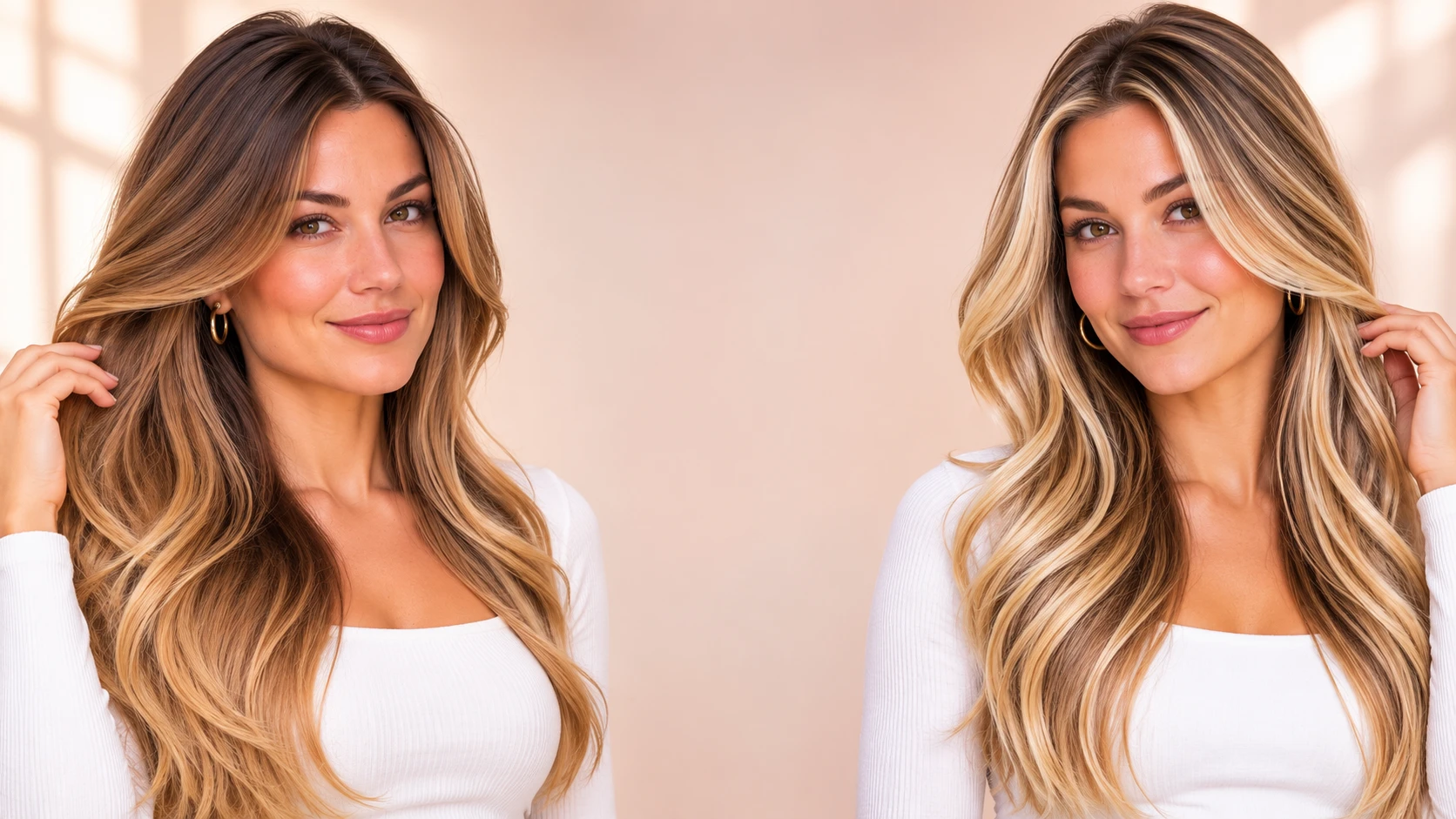
Balayage vs Highlights: Cost, Maintenance & Visual Difference
You want brighter hair, but the salon menu feels like a puzzle. Balayage vs Highlights sounds simple until you compare the prices, the timelines, and photos that all look alike. Both promise sunlit color.
Maybe you hate harsh root lines. Maybe you can only manage a few salon visits a year. Maybe you want color that looks natural as it grows out. You may also wonder what is the difference between balayage and foil highlights when both lighten strands.
The short answer comes down to placement. Balayage paints soft color by hand and grows out gently. Foil highlights place brighter, more even strands and need closer care. Neither wins for everyone.
Below, you will compare the look, the cost, and the upkeep, then match each technique to your hair type and budget.
Balayage vs. Highlights Starts With How the Color Gets Placed
Placement is the biggest difference you will see in the mirror. It shapes the look, the price, and the upkeep that follow.
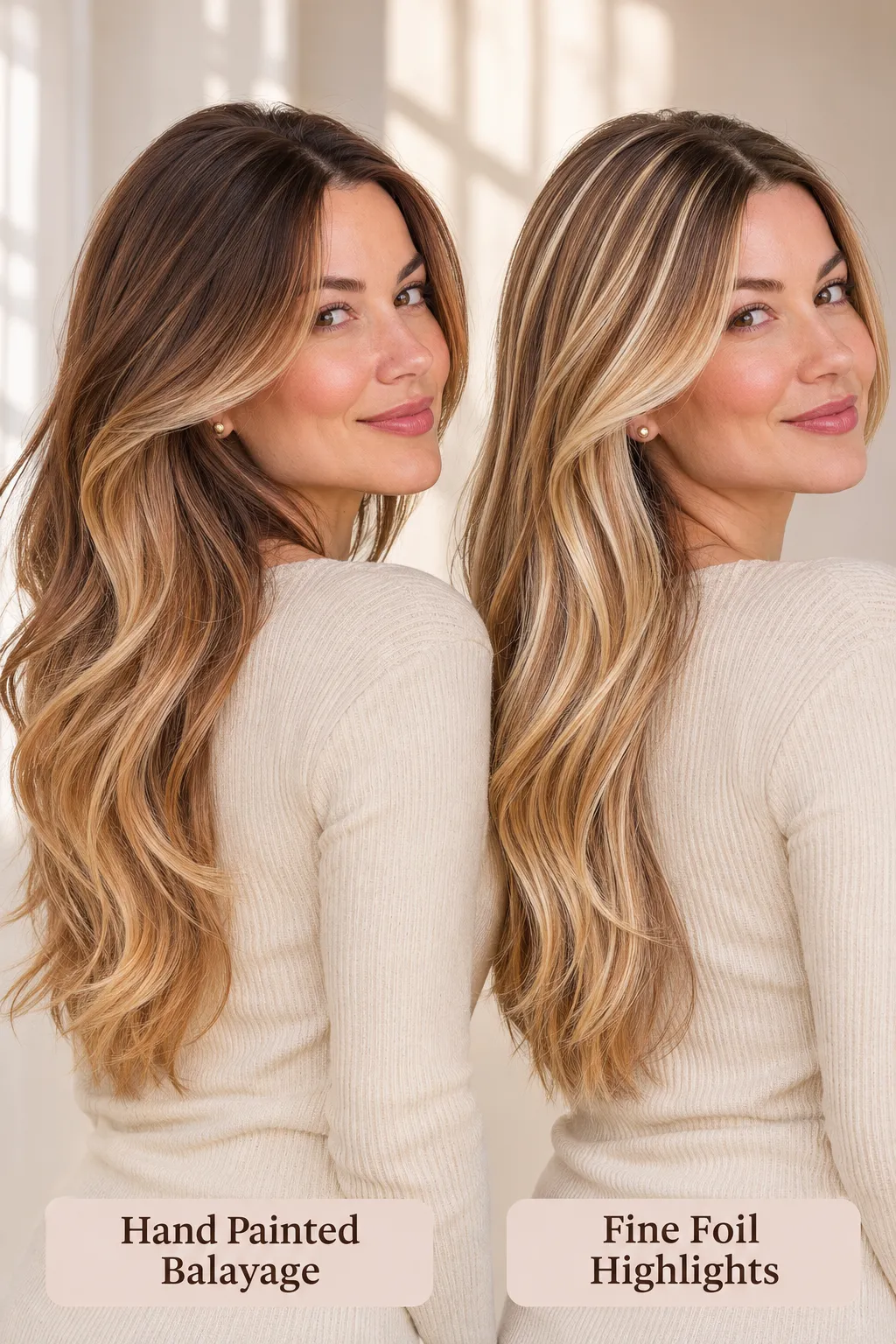
What Is the Difference Between Balayage and Foil Highlights
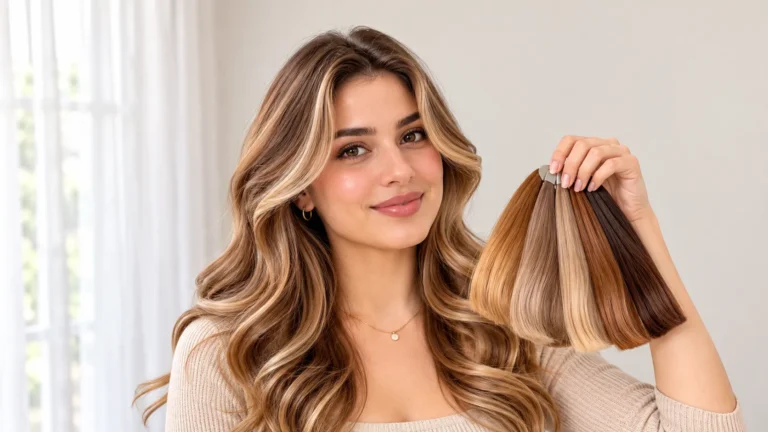
Balayage means the stylist paints lightener onto your hair by hand, usually without foil. A brush and a small board hold the strands steady. The strokes stay soft near the root and grow brighter toward the ends.
Foil highlights work another way. The stylist weaves out thin sections, paints each one, and wraps it in foil. That gives a more defined, repeating stripe.
How the Finished Look Changes From Root to Ends
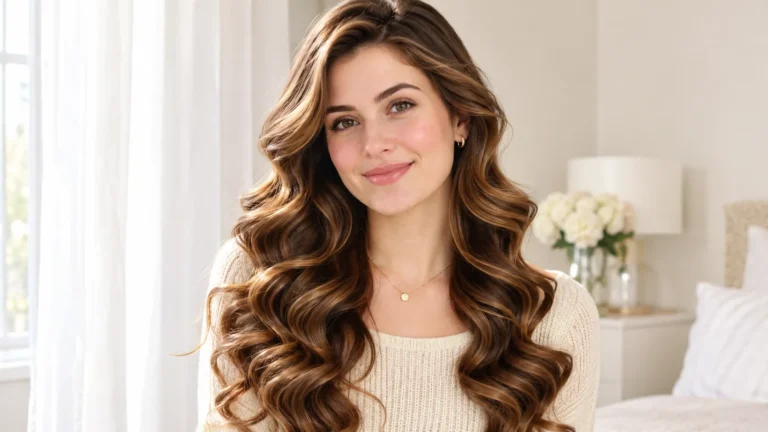
Balayage looks like sunlight caught your hair over a long summer. It often starts a little below the roots, so grown out hair looks natural. Foil highlights can start right at the scalp, which gives a fuller, brighter result with more contrast.
On dark hair, even stripes may read as bold. On light hair, the same stripes may look subtle. Most stylists finish with a toner, a sheer color that cools or warms the shade. Both techniques use it.
| Feature | Balayage | Foil Highlights |
|---|---|---|
| Application | Hand painted, usually no foil | Sectioned and wrapped in foil |
| Root area | Soft, often a little darker | Can start at the scalp |
| Color finish | Blurred and sun kissed | Defined and even |
| Contrast | Gentle to medium | Medium to high |
| Best for | A lived in, low effort look | A bright, polished look |
One blurs. The other defines.
Your Salon Bill Depends on Time and Product, Not Just Technique
Price follows labor and materials. A longer appointment with more lightener and toner costs more, whatever the technique is called. Prices differ by salon, city, stylist level, and hair length, so treat any number you read online as a rough guide.
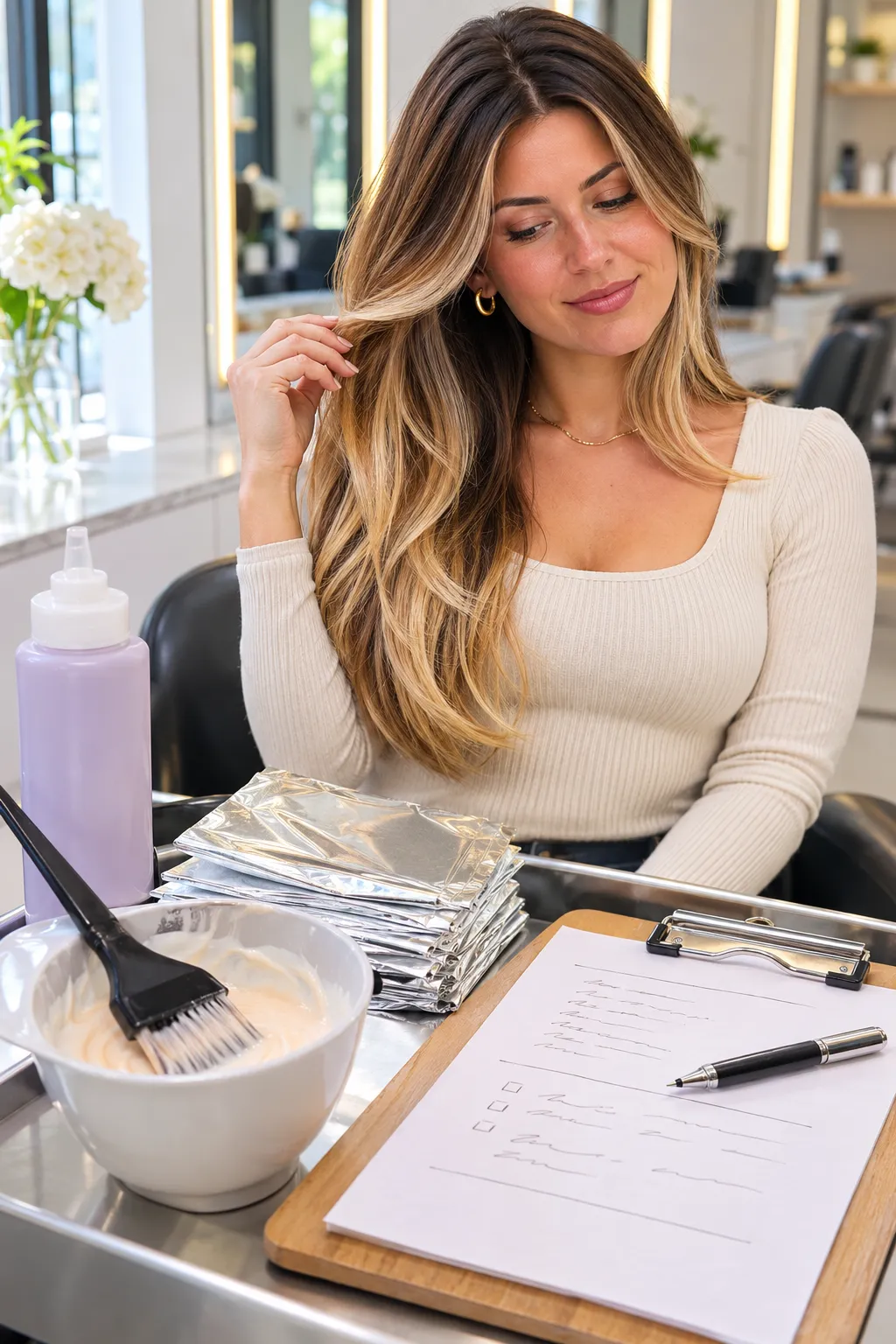
Balayage vs Highlights Cost Comparison
Balayage often costs more per visit because the painting is slower and takes more skill. Foil highlights often cost less per visit, especially as a partial set. Over a full year the gap may shrink, since balayage needs fewer touch ups.
| Cost Factor | Balayage | Foil Highlights | Why It Matters |
|---|---|---|---|
| Time in chair | Often longer | Often shorter for a partial set | Time drives labor cost |
| Toner | Often added for soft blending | Often added to adjust tone | Ask if the quote includes it |
| Visits each year | Fewer | More | Frequency adds up |
| Hair length and density | More product on long thick hair | More foils on long thick hair | Size raises the price |
Where You Can Save Without Hurting Results
Ask about a partial set that focuses color on the top layers and around your face. Choose a shade close to your natural color, since smaller changes need less lightener and fewer corrections. Skip extra services you do not need.
Stretching the time between visits lowers your yearly total more than any single discount. Ask your stylist to quote the whole plan, not just today’s bill.
Budget Note: Request a written quote that lists lightener, toner, cut, and finish, so no line item surprises you at the register.
Fewer Salon Visits Are Easier When the Color Grows Out Softly
Upkeep is where the two looks truly part ways. Think of it as two clocks. Balayage runs slow, and foil highlights run faster. Soft color hides regrowth, while sharp stripes show it.
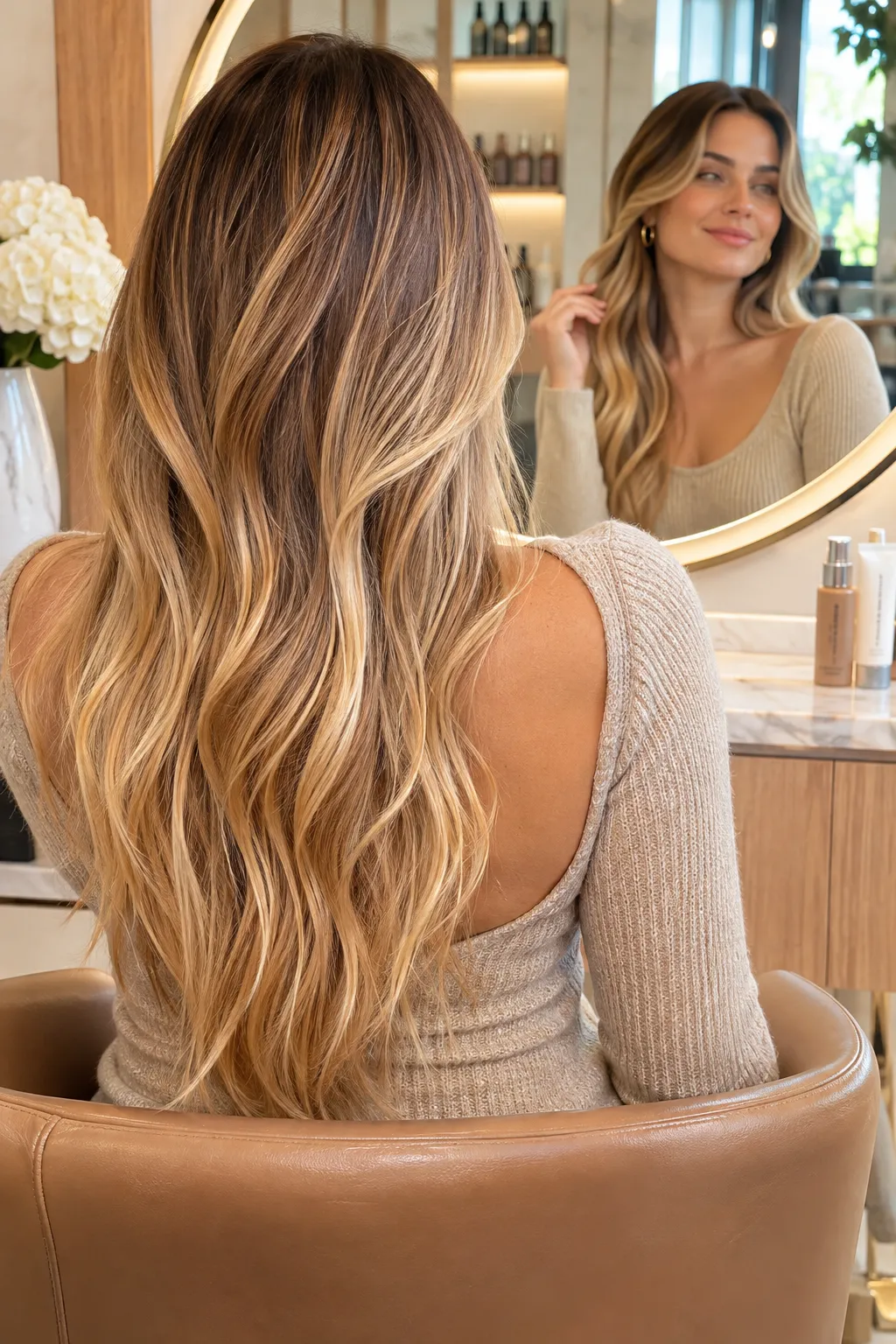
Which Lasts Longer Between Touch Ups
Balayage usually wins. Because the color starts away from the scalp, you may wait about 3 to 4 months before a touch up. Foil highlights often need one every 6 to 10 weeks, since new growth shows a clear line near the part.
A natural light brown base often stretches balayage longer, because the lightened strands sit close to your own color. Dark roots, thick hair, and fast growth shorten those times, while fine, slow growing hair may stretch them. Your stylist can tell you which clock your hair follows after one visit.
How to Stretch Your Color Between Visits
- Wash with a color safe shampoo and cool water.
- Add a toner visit between full touch ups if your stylist suggests it.
- Apply heat protectant before every hot tool.
- Switch your part to soften new growth.
- Rinse after swimming, since chlorine can dull light strands.
- Book your next visit before you leave the salon.
These habits slow fading and hide regrowth, so your color looks fresh for longer. A small routine can often save a full appointment.
Care Note: Lightened hair often feels drier, so a weekly deep conditioning mask made for color treated hair may help it stay soft and shiny.
Your Hair Type Changes How Each Technique Looks and Wears
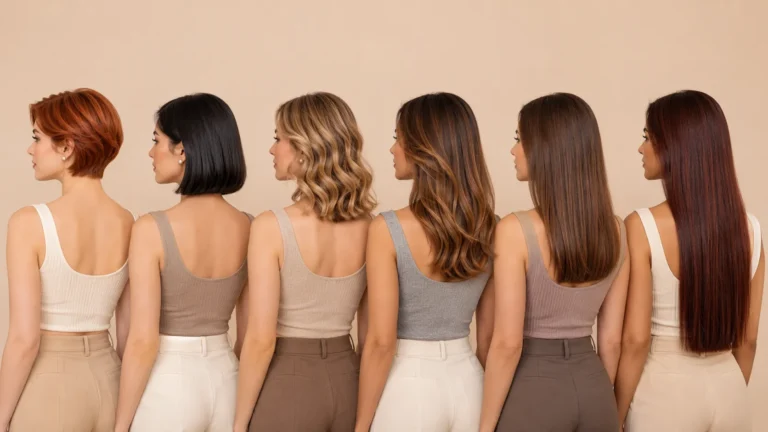
Texture and thickness change how color reads, so the Balayage vs. Highlights decision looks different on every head. A stripe that glows on straight hair can look patchy on tight curls.
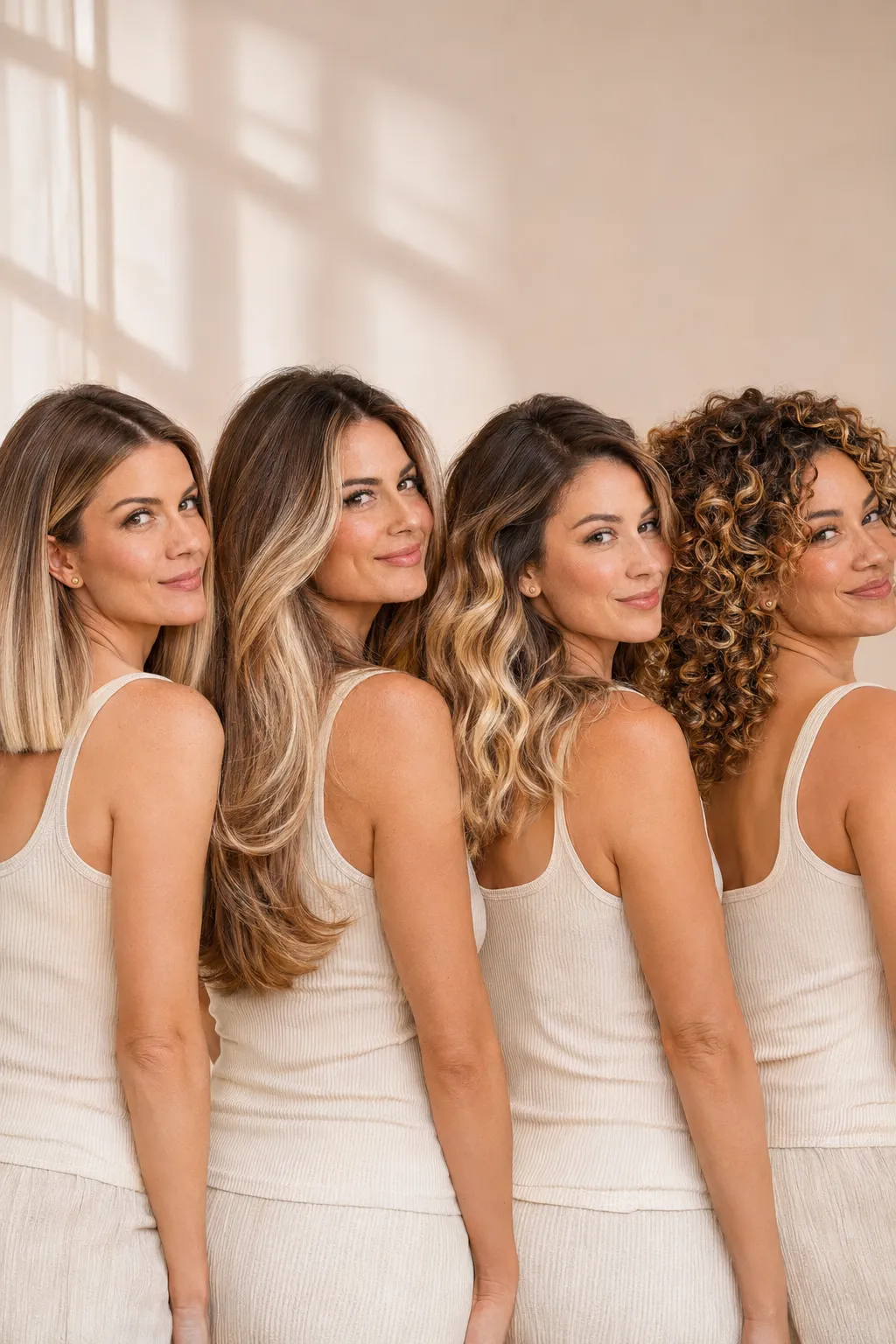
- If your hair is fine: Ask for soft balayage or very thin foil highlights. Thick stripes may look stringy, and gentle lightening treats fragile strands kindly.
- If your hair is thick: Foil highlights can break up heavy hair with light and shadow. Balayage works too when you want a relaxed finish.
- If your hair is wavy: Balayage often follows the bends and looks natural in every wave. Foil highlights add movement but may look striped where waves lift.
- If your hair is curly or coily: Ask for hand painted color placed on individual curls. This keeps definition and avoids stripes that cut across the pattern.
- If your hair is straight: Every line shows, so ask for blended painting or very fine foil sections.
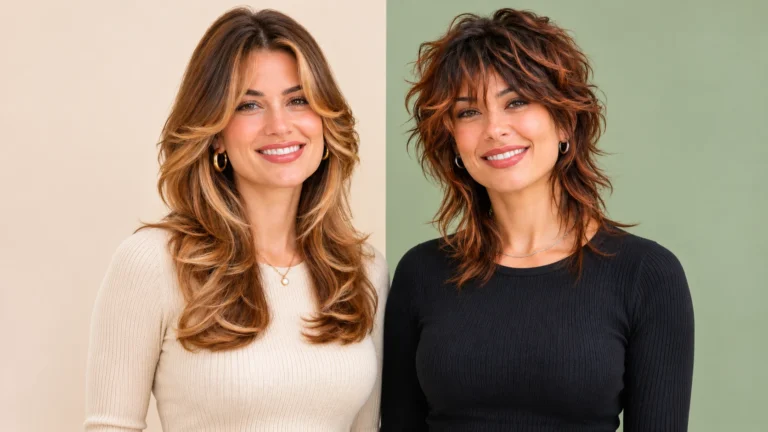
- If your hair is layered: Balayage follows the cut lines and adds depth. Foil highlights add movement to long layers.
Length matters as well. Shoulder length hair suits either technique. Short cuts show every stripe, so ask your stylist to place color around the face and crown, while long hair gives balayage room to blend.
Face framing pieces work with both methods and often brighten the whole look without lightening all of your hair. If you feel unsure, start with face framing pieces. You can add more color at the next visit.
Does your hair want soft or sharp?
Gray Hair, Dark Hair, and Past Color Change the Plan
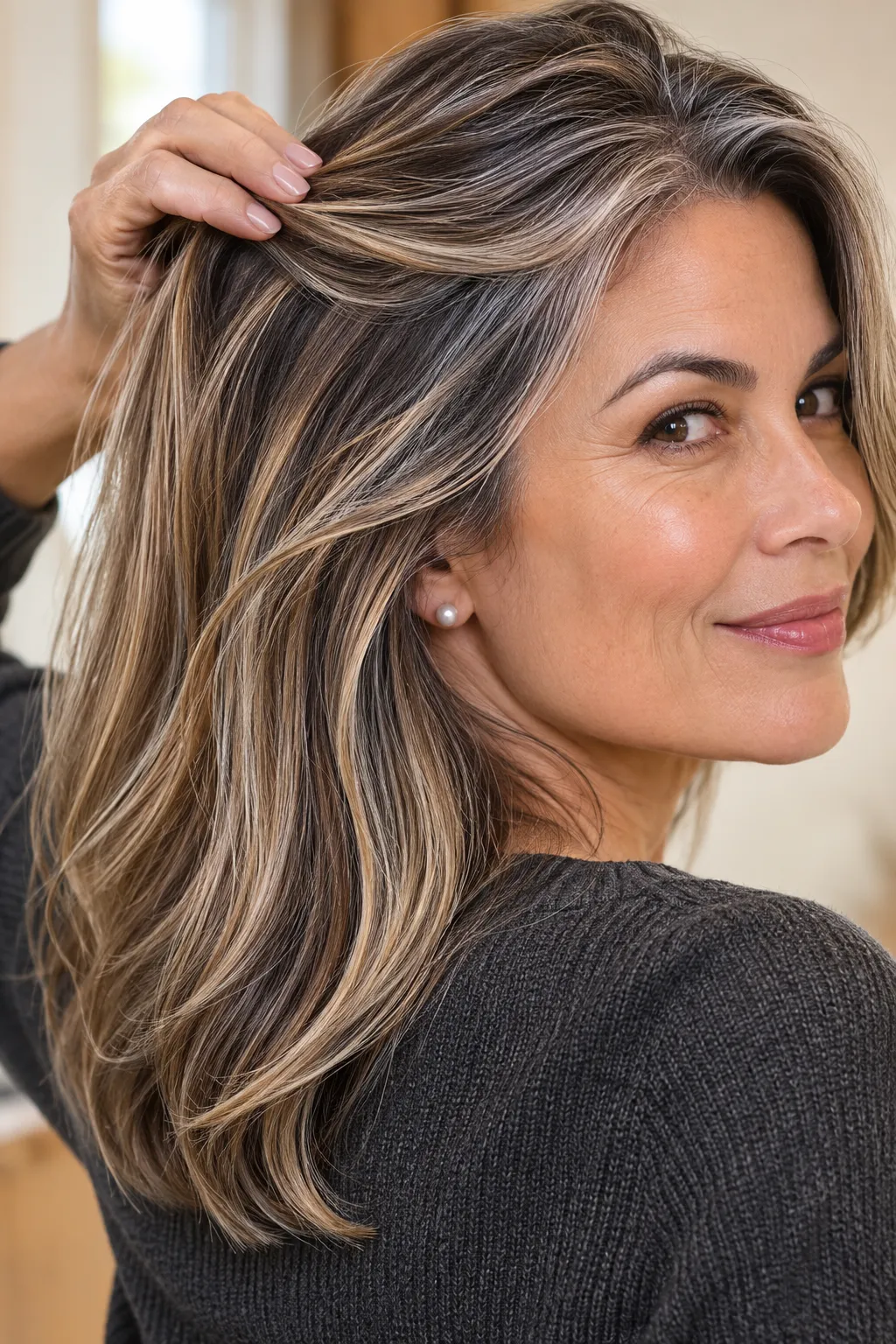
Your starting point matters as much as your wish list. Gray strands, dark bases, and old box dye all change how lightener behaves. Plan for them before you book, and bring photos of any past color.
| Situation | Better Fit | Watch Out For |
|---|---|---|
| Gray hair | Fine foil highlights or soft balayage | Gray may still show at the root |
| Very dark hair | Balayage with a slow, gentle lift | Orange or brassy tones without toner |
| Past box dye | Strand test first, then either | Uneven lift and patchy results |
| Fine, fragile hair | Soft balayage with fewer sections | Breakage from repeated lightening |
| Natural light brown | Either, based on your goal | Choosing foils when you wanted low upkeep |
Gray hair is a strong case for fine foil highlights. Thin sections can blend silver strands, while balayage can soften the line as gray grows in.
Dark hair often needs more than one lightening step to reach pale shades. That may take several visits, and toner helps keep the shade clean.
Past box dye needs extra care. Lightener may lift old dye unevenly, so a strand test shows the real result before you commit. Tell your stylist about every color you have used, including henna.
Natural light brown hair gives you the most freedom, so choose by upkeep and budget.
Damage Note: Lightening always stresses hair, so book a consultation first if your hair is already dry or breaking, and see a dermatologist if you notice scalp irritation or hair loss.
Choosing Between Balayage vs. Highlights Takes Five Simple Steps
A short plan beats a long scroll through photos. Use these steps before you book, and bring your answers to the consultation. Some salons offer a short consultation visit, which lets you ask questions without pressure.
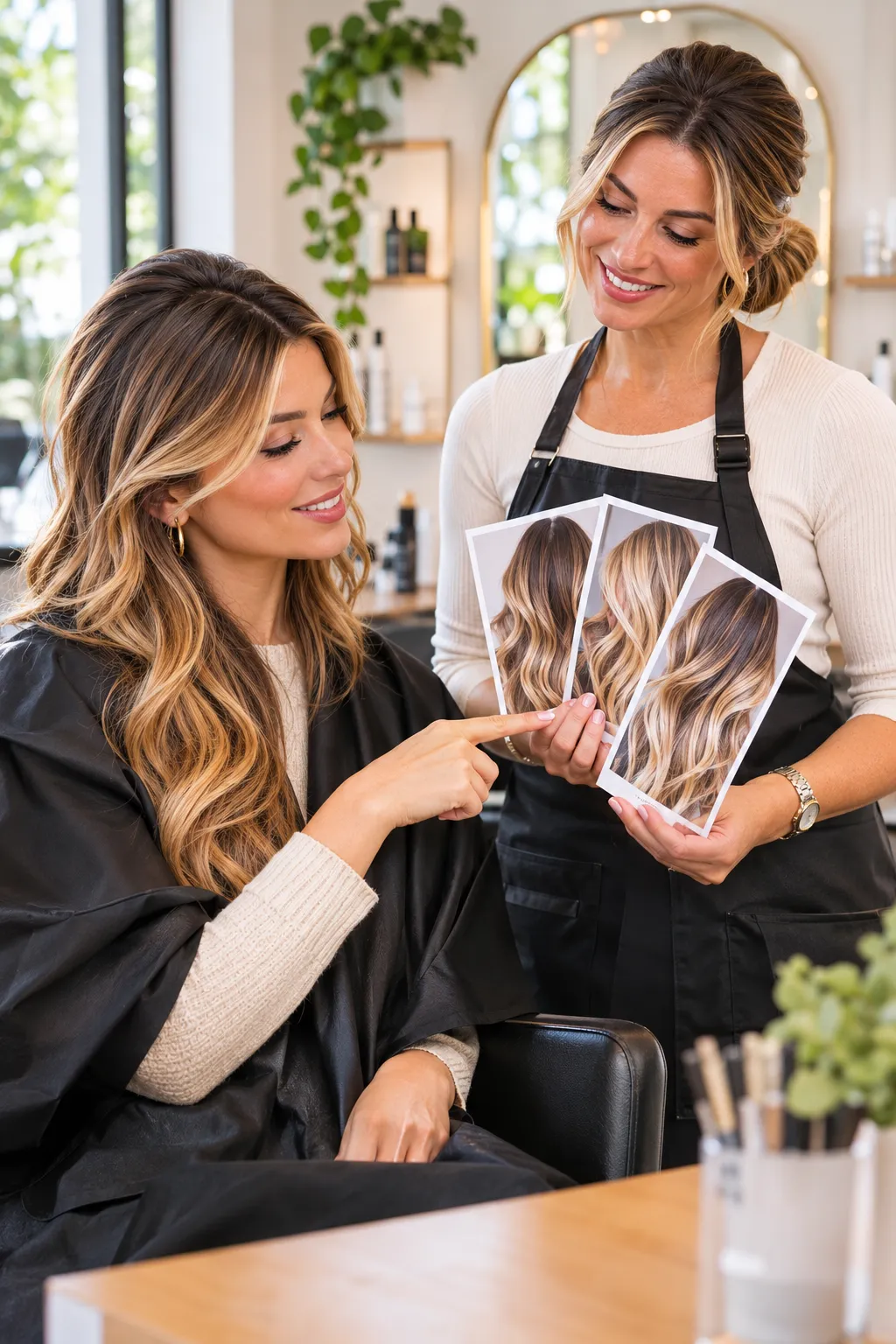
- Save three photos of looks you love and one you dislike.
- Write down your color history, including box dye and past lightening.
- Set a budget for the first visit and for upkeep.
- Decide how many salon visits you can fit in a year.
- Ask your stylist which technique fits your hair, and request a written quote.
Photos show your taste. History protects your hair. Budget and visit rhythm keep the result affordable. Your stylist then has what they need to map the color.
You do not have to pick only one. Some stylists combine both, using balayage through the lengths and a few fine foil highlights around the face for extra brightness. Ask whether that mix suits your hair.
Bring your questions in writing. Ask how long the appointment will take, what the toner includes, and when your first touch up should happen. Be careful if a stylist skips questions about your hair history or promises a huge change in one visit. A clear plan, honest limits, and a written quote are good signs.
Chair Tip: Ask your stylist to point out where the color will sit, around the face, crown, and ends, before any lightener goes on.
A Four Part Formula Makes Your Next Color Decision Easy
Use one repeatable check each time you change your color. It keeps the decision calm, even when every photo looks good.
Formula: goal + hair history + budget + visit rhythm.
Goal is the look you want. Hair history is every color and heat habit your hair has met. Budget covers the first visit and the upkeep. Visit rhythm is how often you will sit in the chair.
Run each piece past your stylist before you book. Ask which lasts longer between touch ups on your exact shade, because that answer sets your visit rhythm. Then see how the formula plays out.

- Soft sun kissed look, low budget, few visits a year: Choose balayage and add a toner visit between touch ups.
- Bright, polished look, regular salon visits: Choose foil highlights and plan a touch up every 6 to 10 weeks.
- Gray coverage, fine hair, medium budget: Choose fine foil highlights and ask about toner at each visit.
- Dark hair, bright blonde goal, flexible budget: Plan balayage in stages, with a strand test first and toner after each visit.
- Event in three months, medium budget: Book the main color early, then add a toner visit close to the date so the shade looks fresh.
Notice the pattern. A low budget and few visits point toward balayage, while a bright look and regular visits point toward foils.
Write your four answers down, then book.
Frequently Asked Questions
Can I Switch From Foil Highlights to Balayage?
Yes, you can switch, though it may take a visit or two. Your stylist will soften the old foil lines and tone them to match the new painted color. Balayage vs. Highlights does not lock you in, so bring photos of your current color to the consultation.
Is Balayage More Expensive Than Foil Highlights?
Balayage often costs more per visit, but not always over a full year. A balayage vs highlights cost comparison should include toner, extra touch ups, and aftercare, not just the first bill. Ask for a written quote before you book so you can compare totals.
Does Balayage Damage Hair Less Than Foil Highlights?
Not by itself, because both methods use lightener. Damage depends on how far your hair is lifted, how healthy it starts, and how well you care for it. Balayage may feel gentler when the lightener stays away from the scalp and roots, though aftercare matters just as much.
Will Balayage Work on Short Hair?
Yes, balayage can work on bobs and pixie cuts when the stylist paints with care. Short hair has little length for color to blend, so ask for a lower contrast shade and small, soft strokes. Fine foil highlights are another option if you want more definition.
Can I Do Balayage or Foil Highlights at Home?
A salon is the safer choice for either technique. Lightener is hard to place evenly on your own head, and uneven lift is hard to fix at home. A stylist can also check strength and tone before any color goes on and adjust the plan if needed.
Both looks can make your hair feel brighter and more alive. Choose the one that matches your budget, your calendar, and your texture, then enjoy the glow. Your stylist can fine tune the plan from there.